In the making - coastal weave
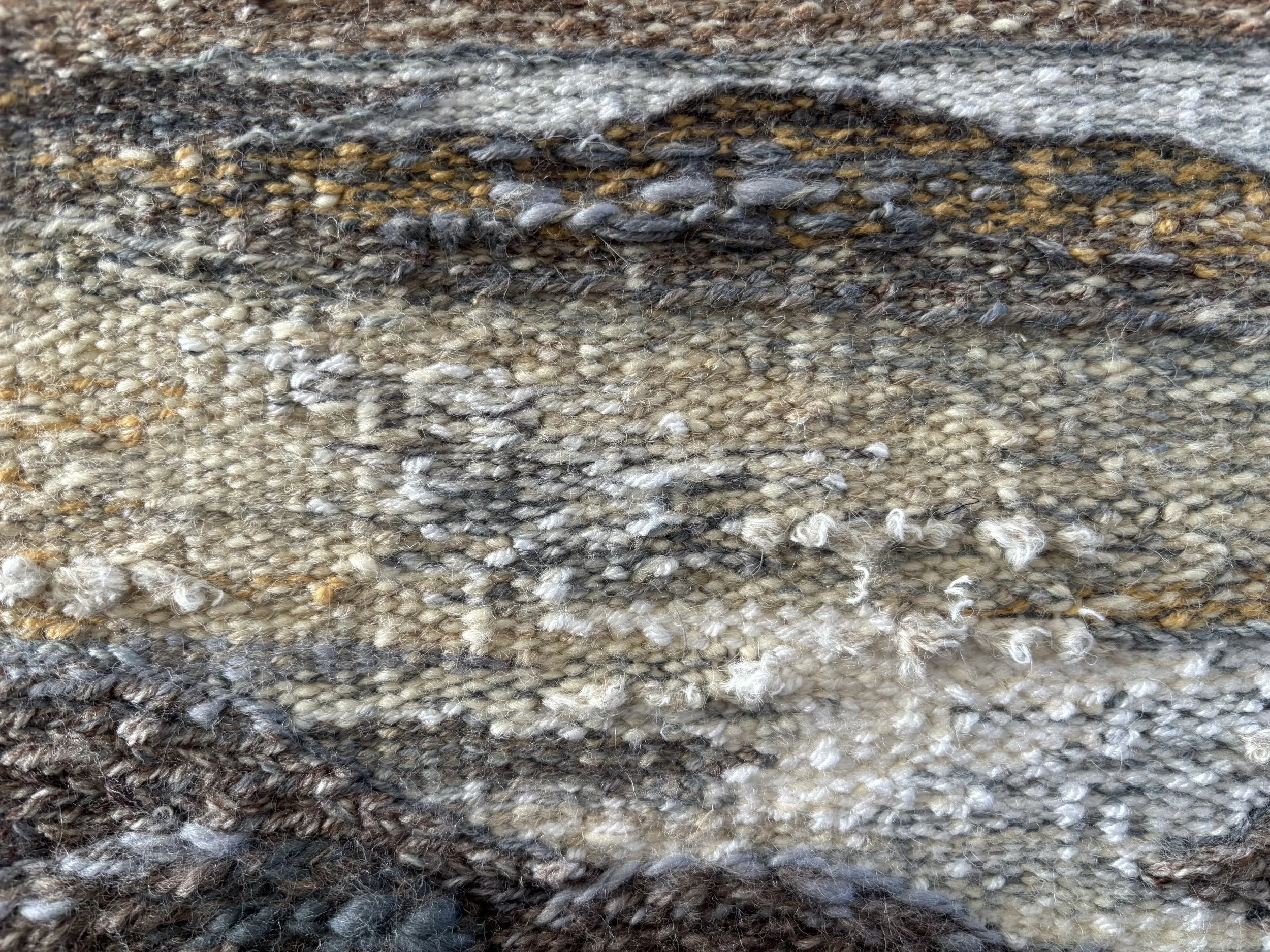
This piece is inspired by my time in Cornwall and one particular beach at low tide.
I love being by the sea - watching patterns form and disappear, noticing colour changes in the sand and rocks, and collecting small things the tide brings in.
The work is still evolving, shaped by those observations and the materials I’m working with.
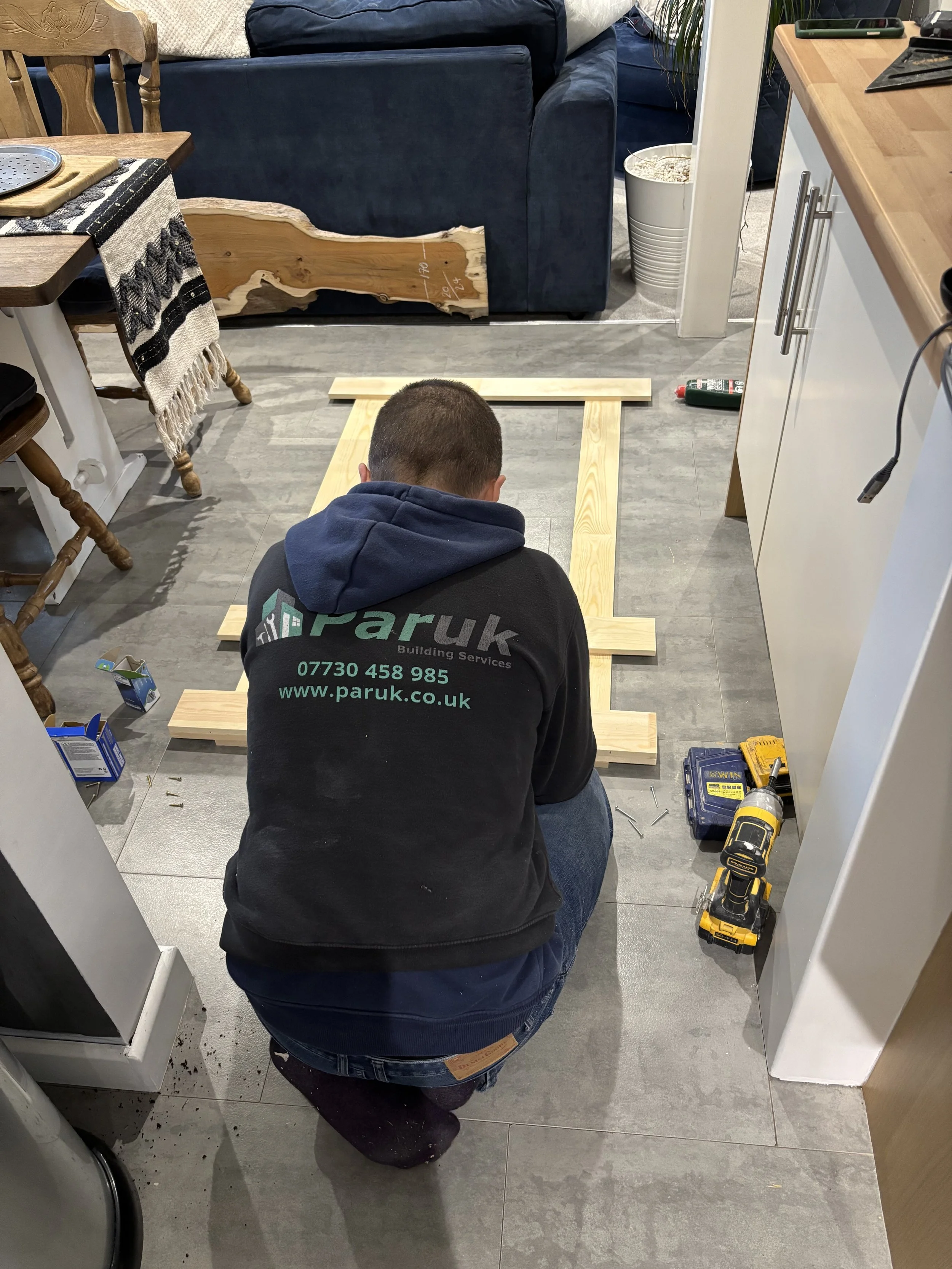
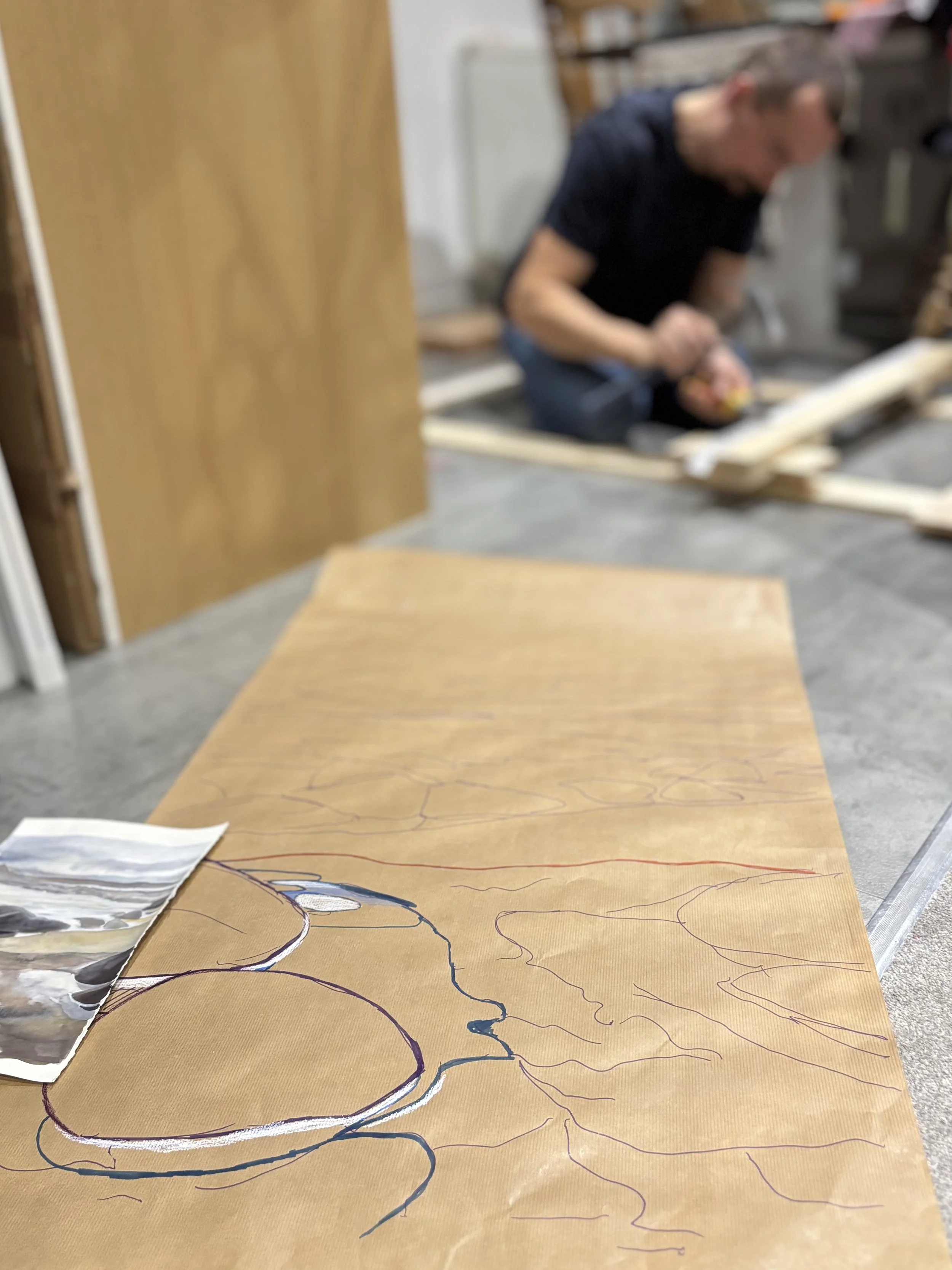
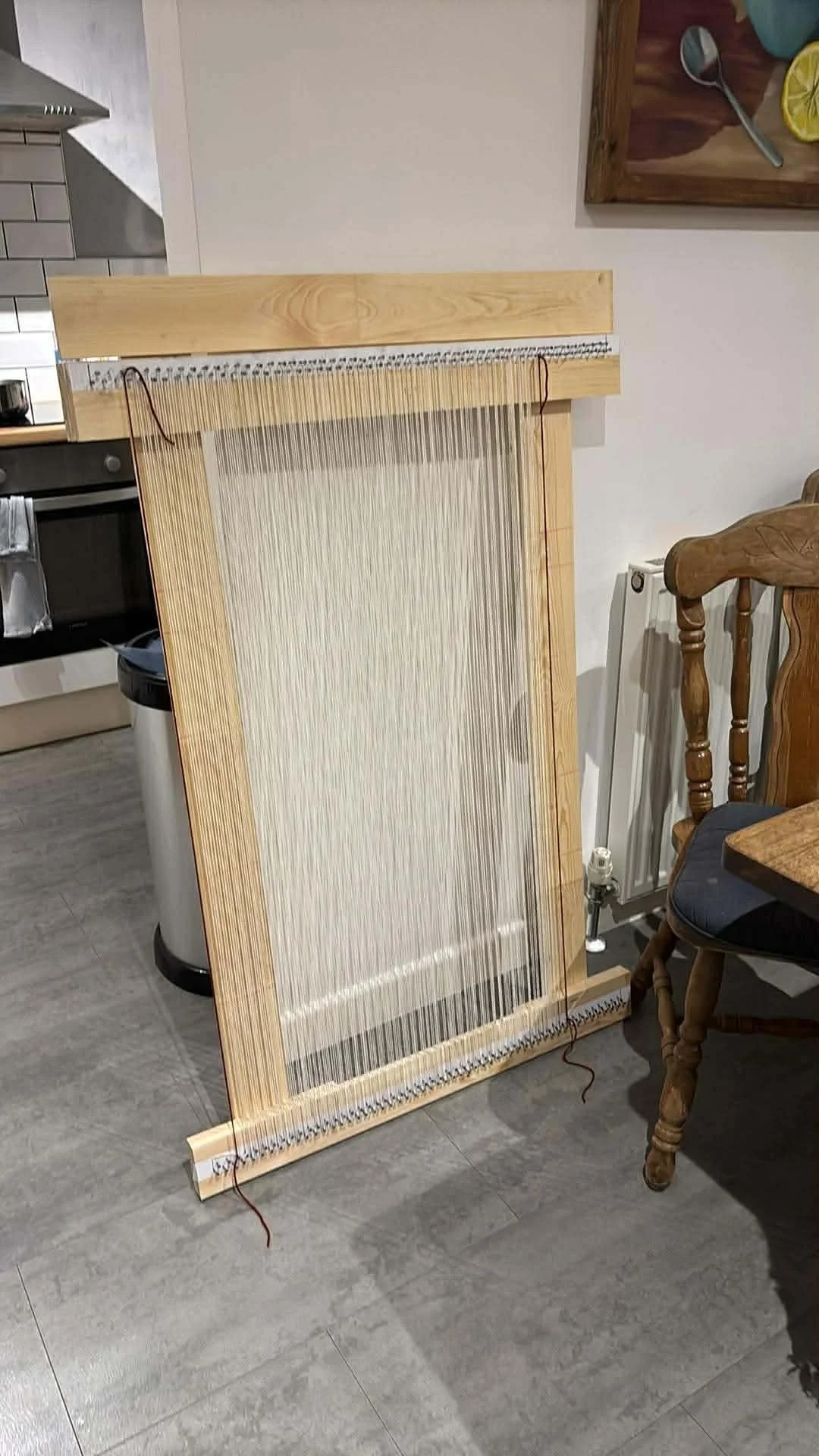
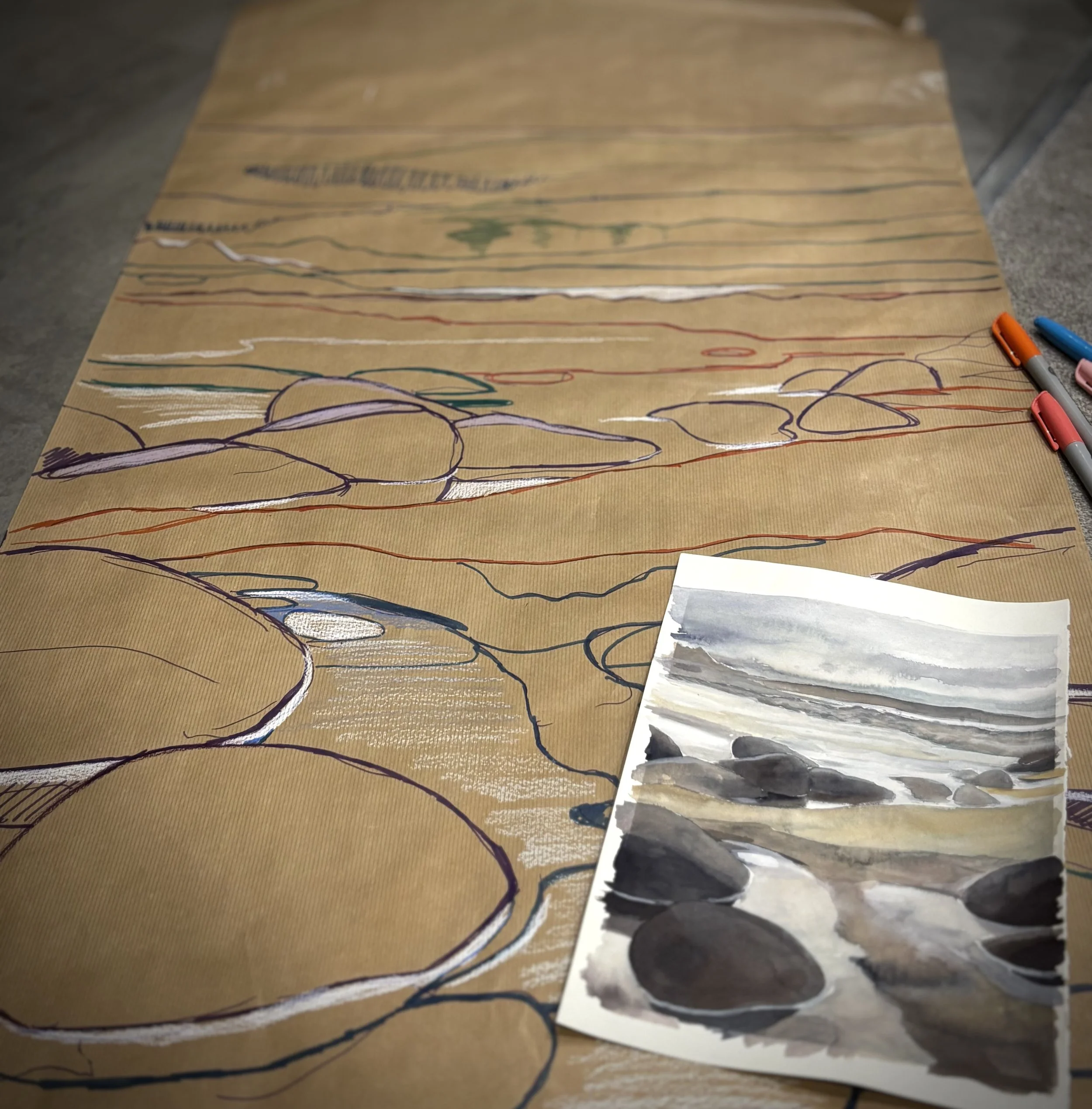
The wooden frame for this piece was built by my husband, using 244 nails set in two rows at 1.5 cm intervals to create the structure for the warp. Cotton warp threads were then stretched across the frame, forming the base surface for the textile. Using a projector, I transferred the design onto grey paper to map out the pattern, which was then placed behind the warp so it remains visible through the threads and can guide the weaving process from the back of the textile.
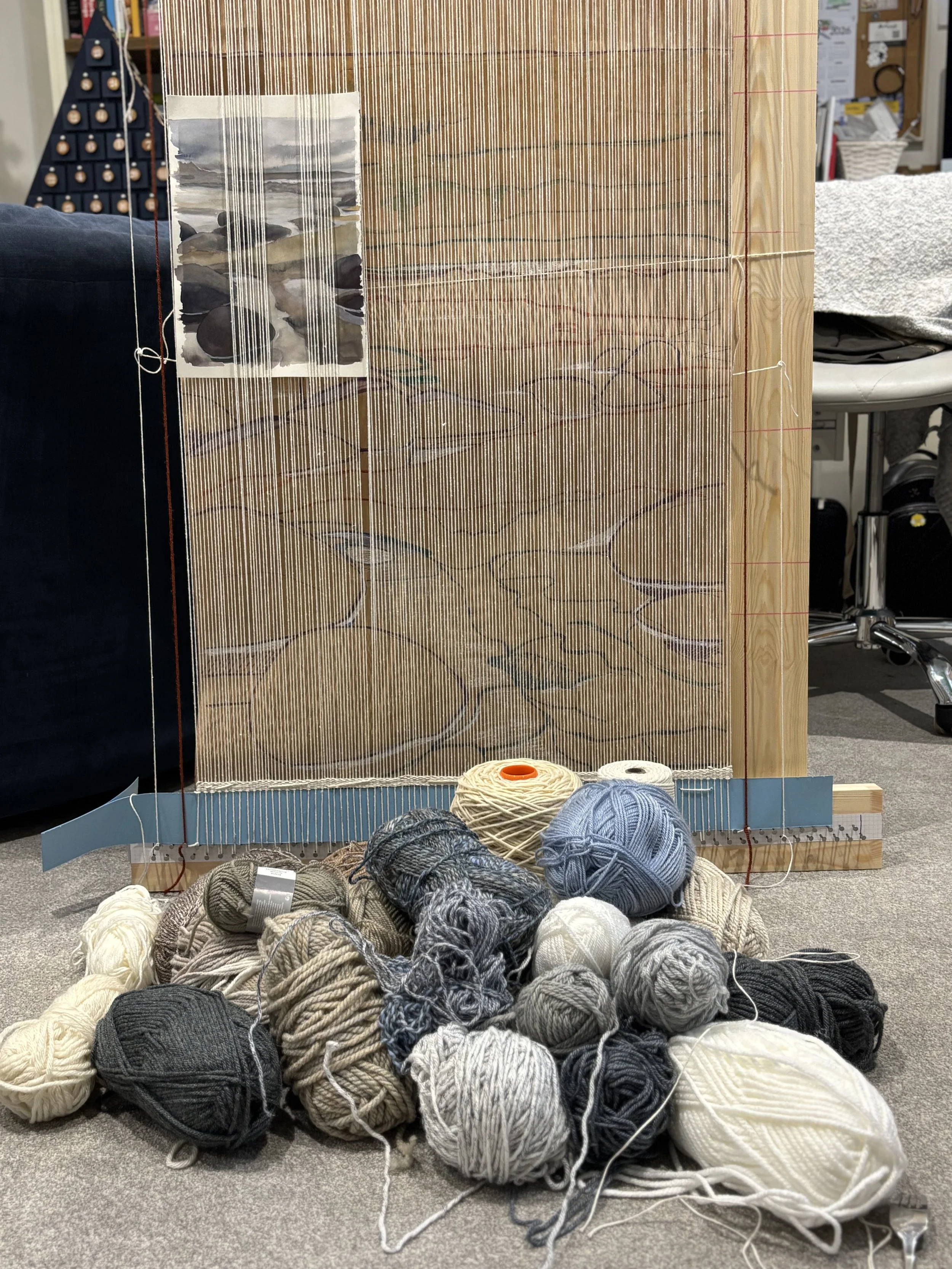
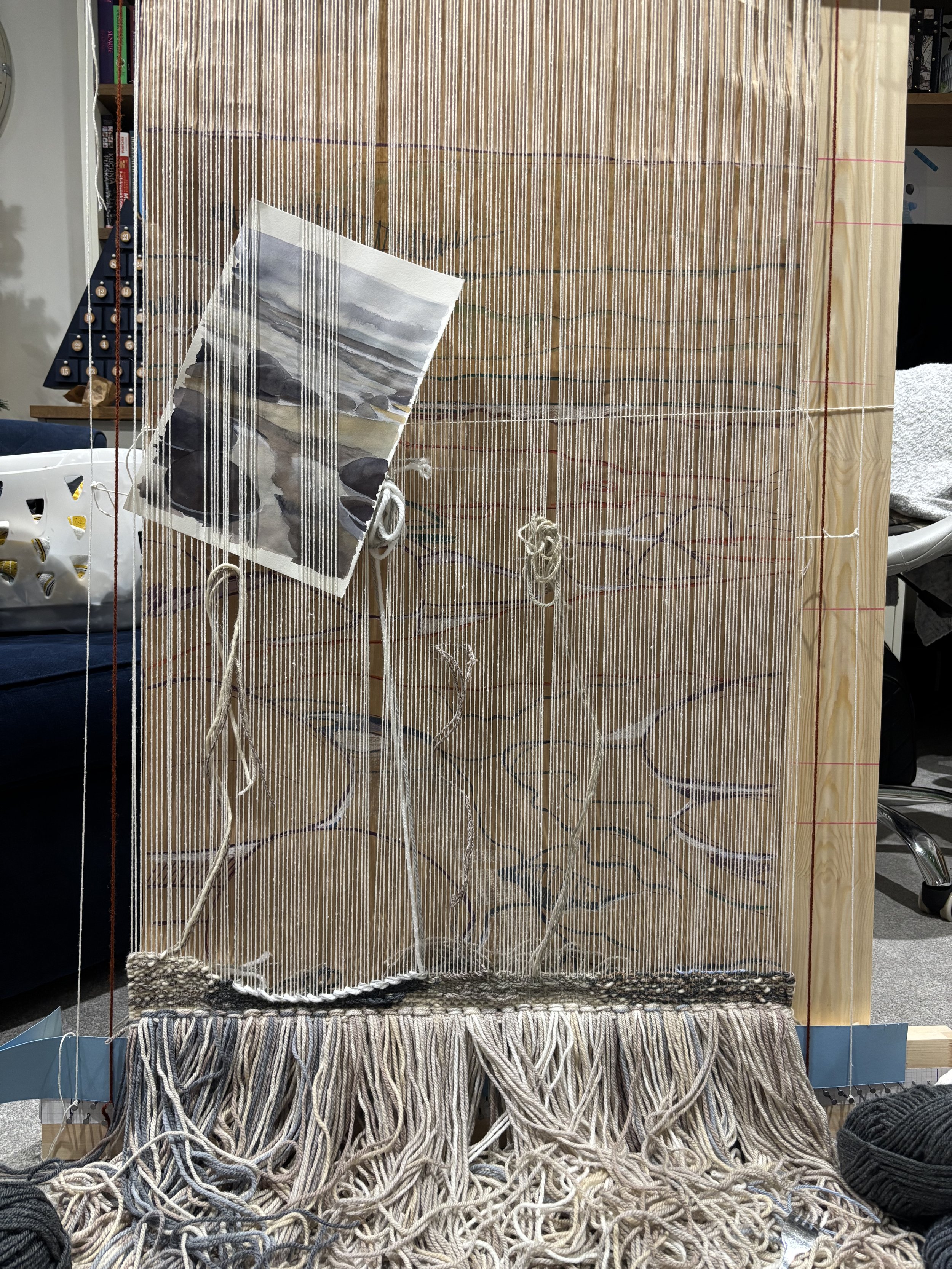
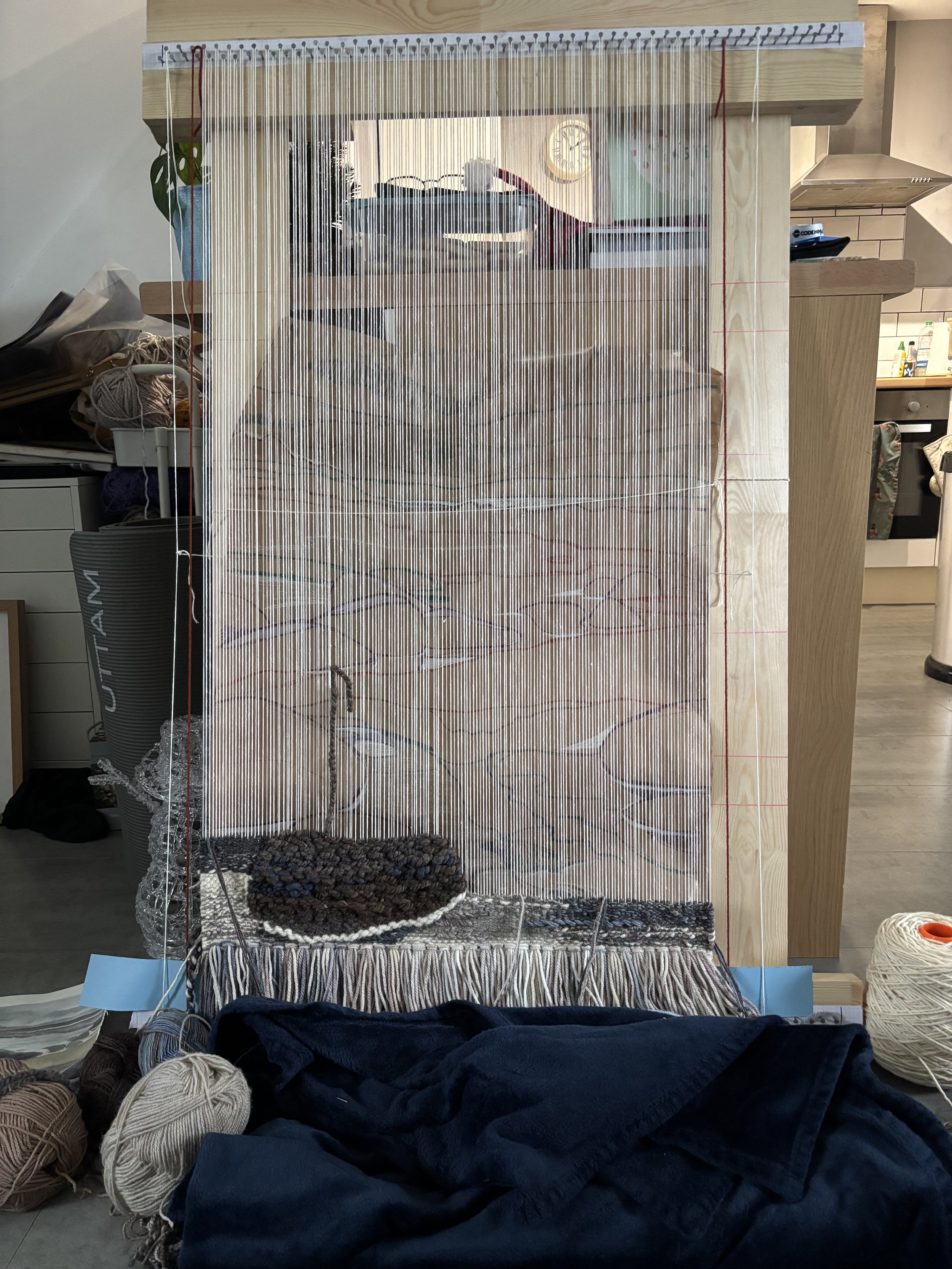
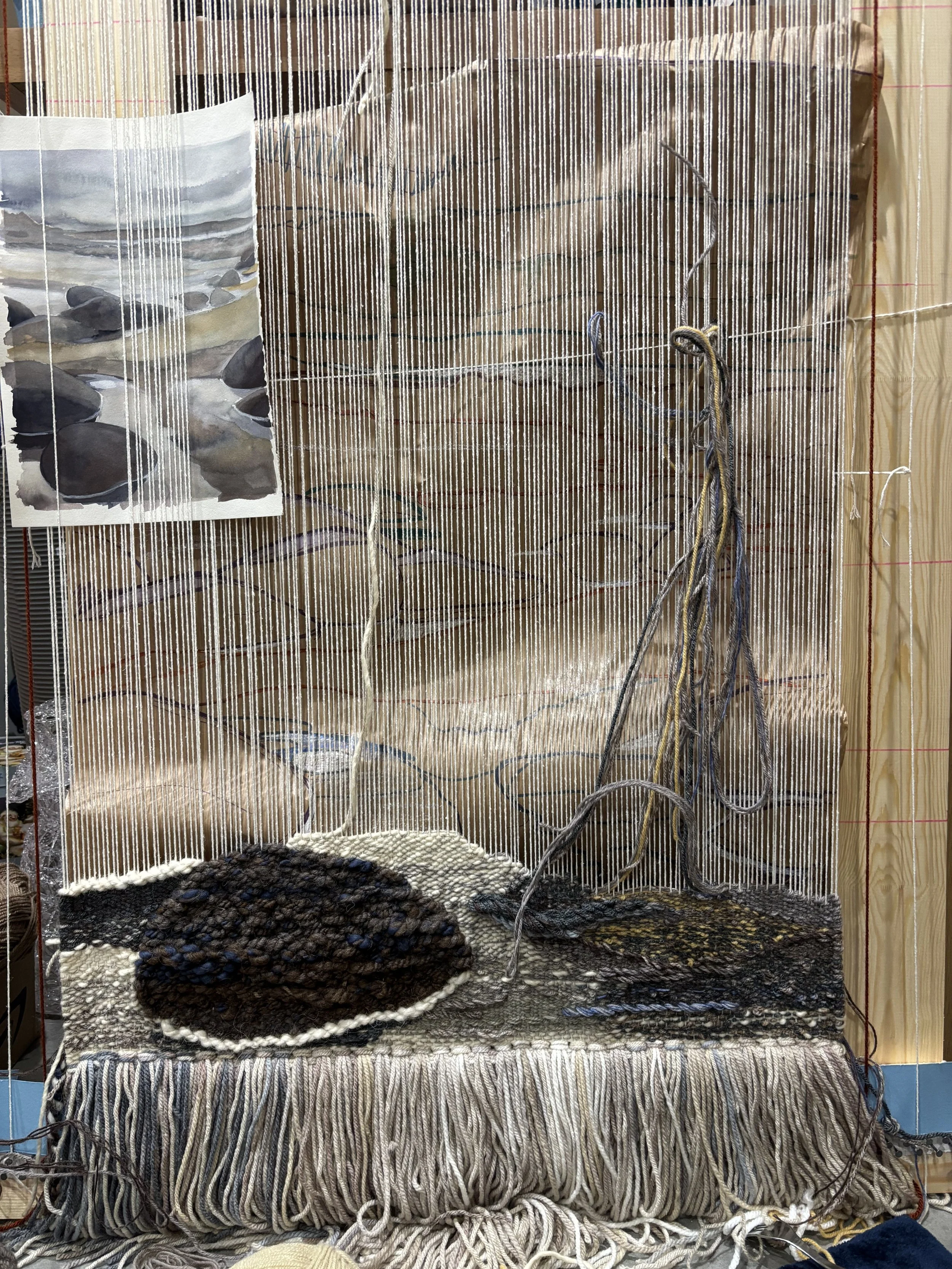
This is where the weaving really begins. With the warp in place and the drawing visible behind it, I started adding the first weft threads, working slowly from the bottom upwards. At this stage I’m feeling my way into the piece — testing density, tension, and how the yarn behaves against the structure. The surface starts to take shape gradually, with small decisions made along the way rather than following a fixed plan. The work is still very open here, growing through touch, repetition, and responding to the material as I go.
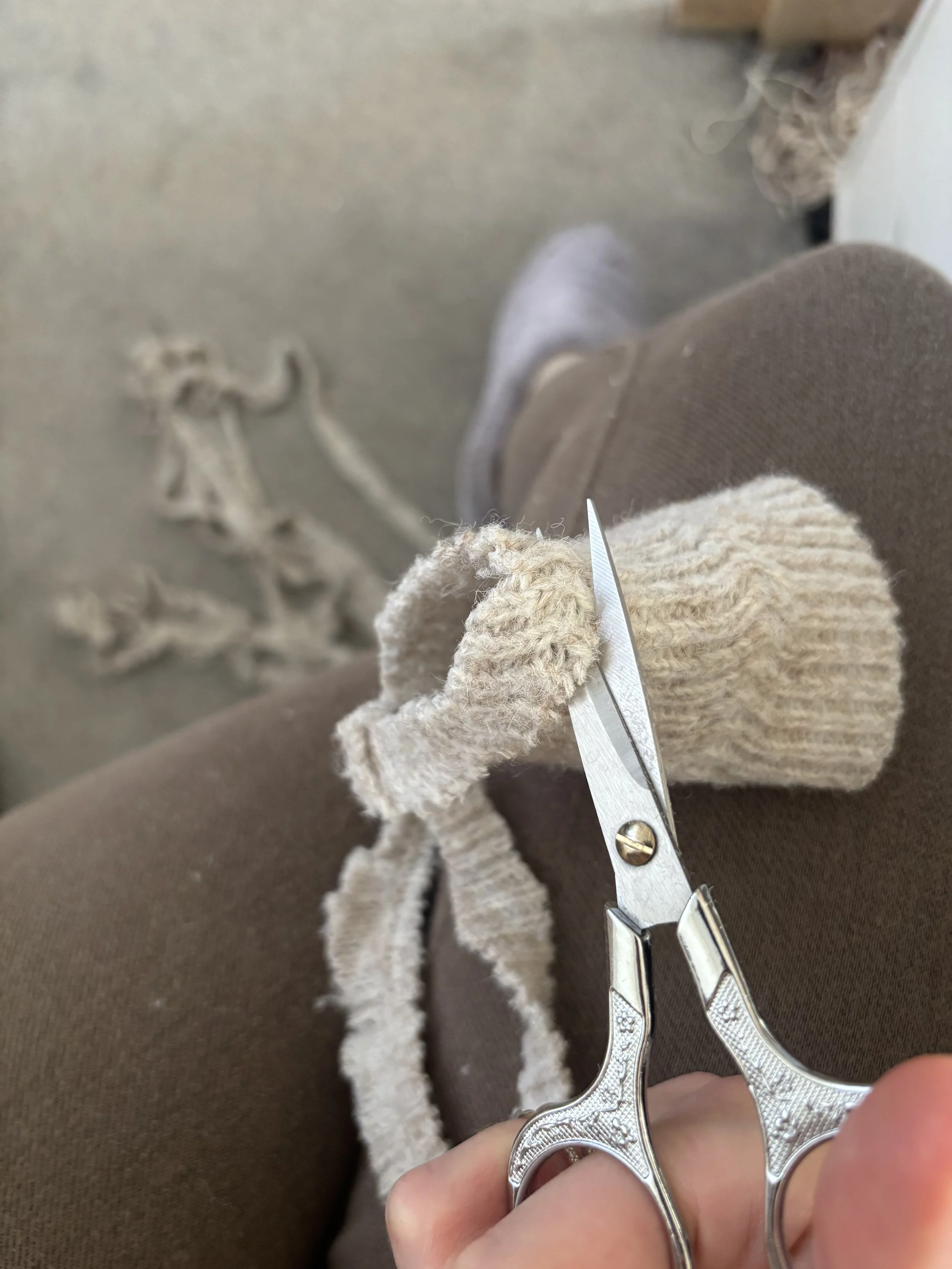
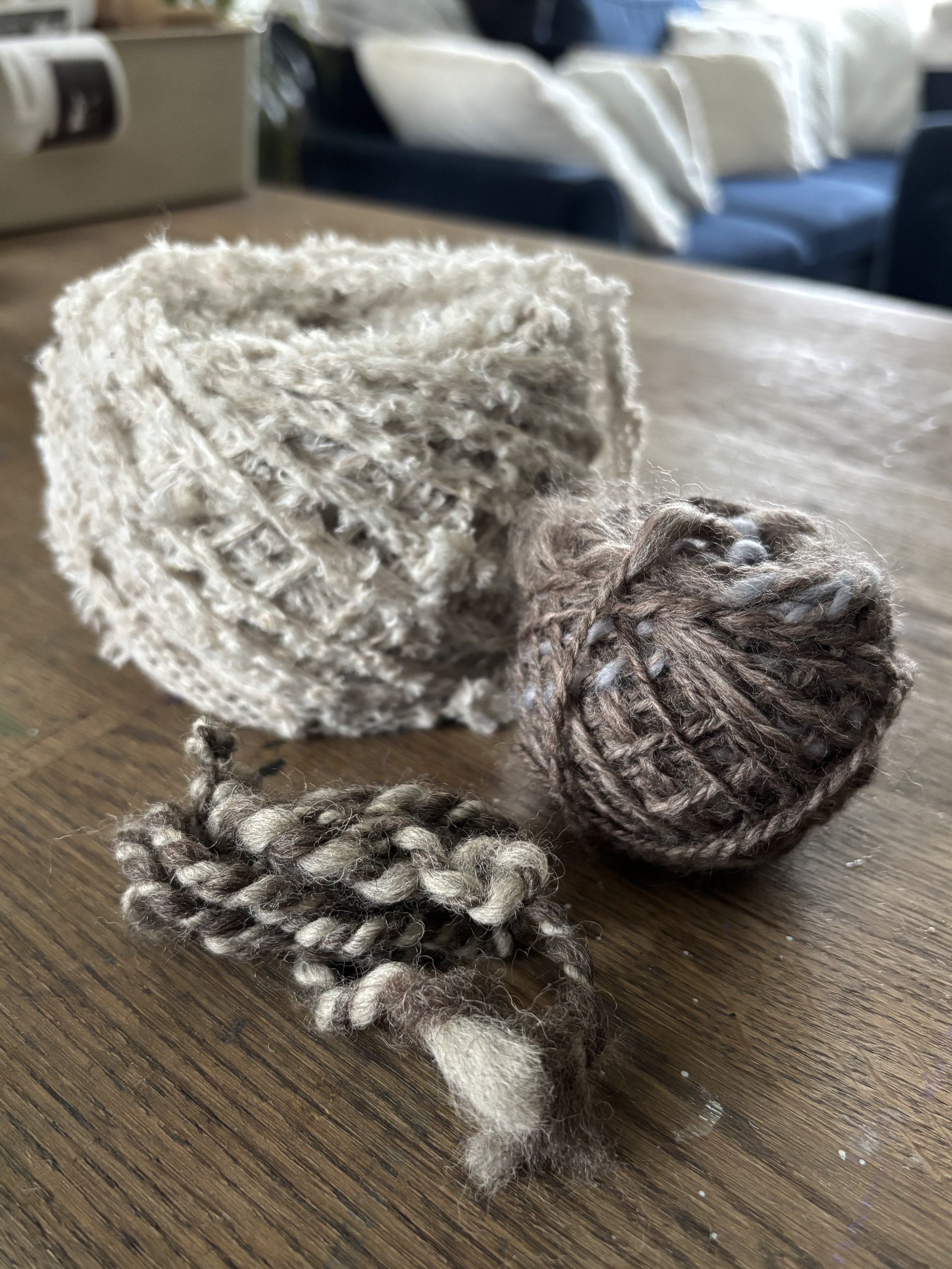
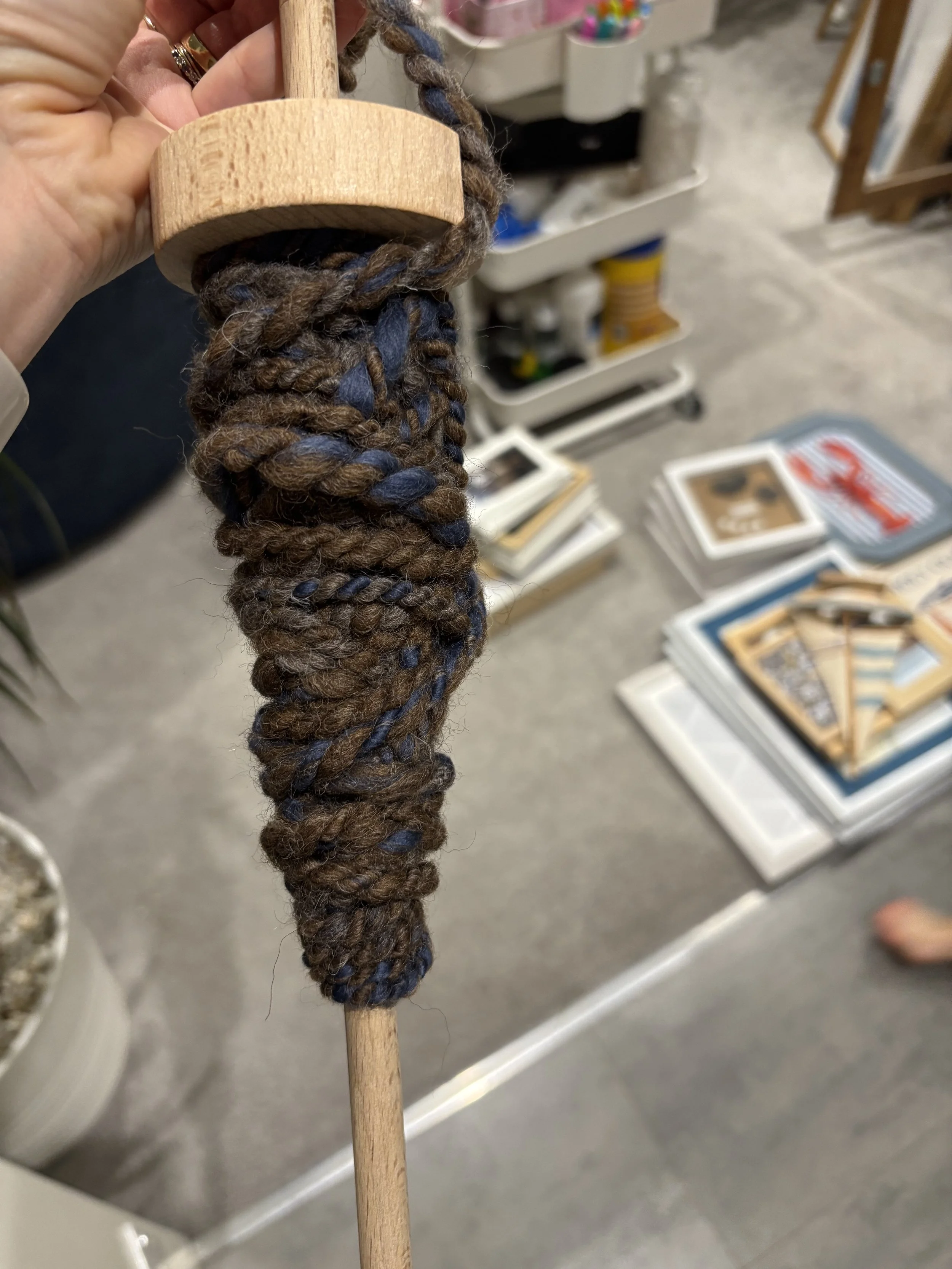
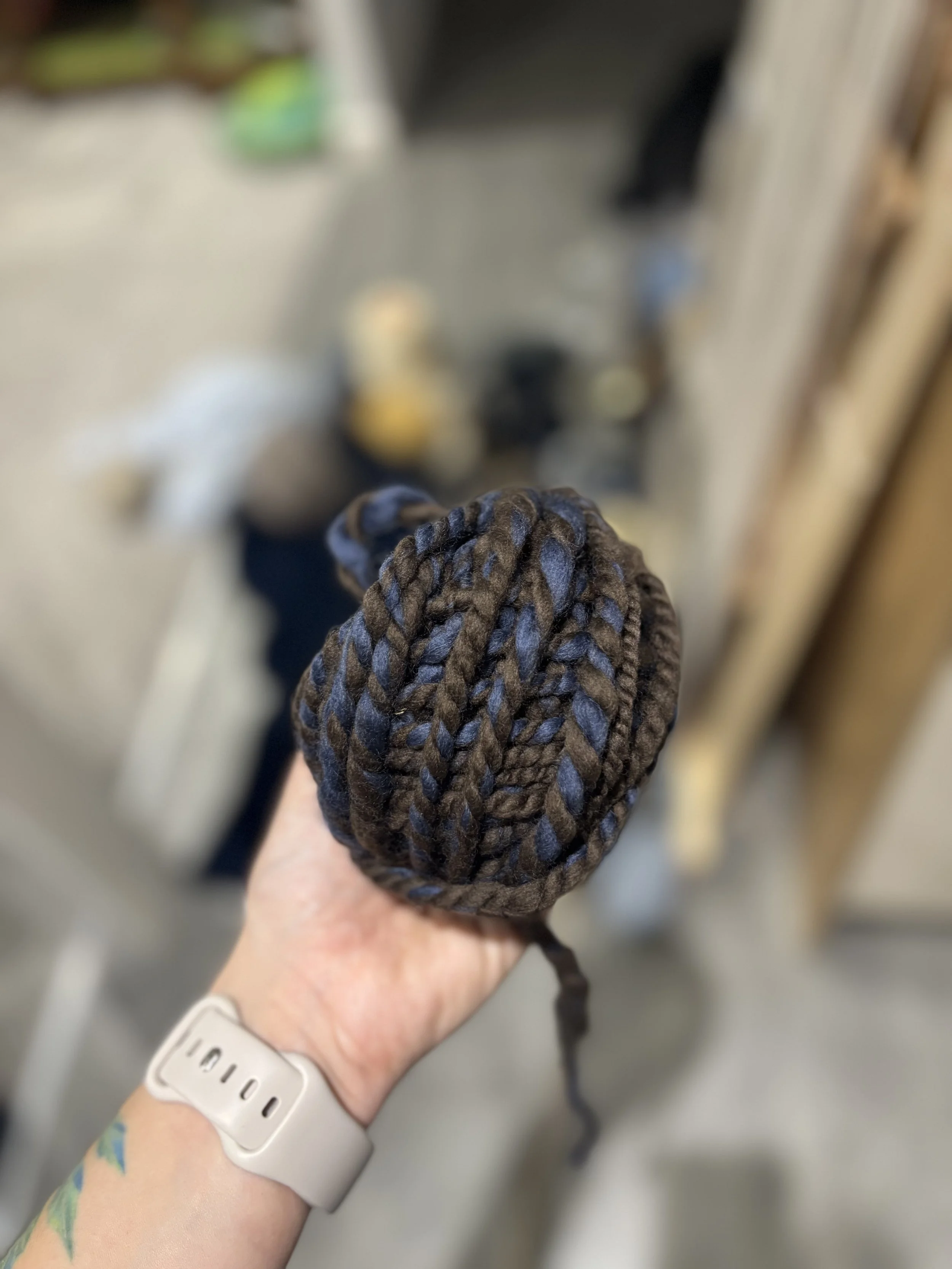
While searching for different textures, I started by cutting up an old jumper of mine that was too felted to unravel. I also began making my own chunky yarn by hand. This part of the process is completely new to me, and I’ve been learning as I go, mostly with the help of YouTube. I’m trying to work with what I already have rather than buying large amounts of new materials. Making my own yarn feels important — it allows me to create only what I need, responding directly to the piece as it develops.
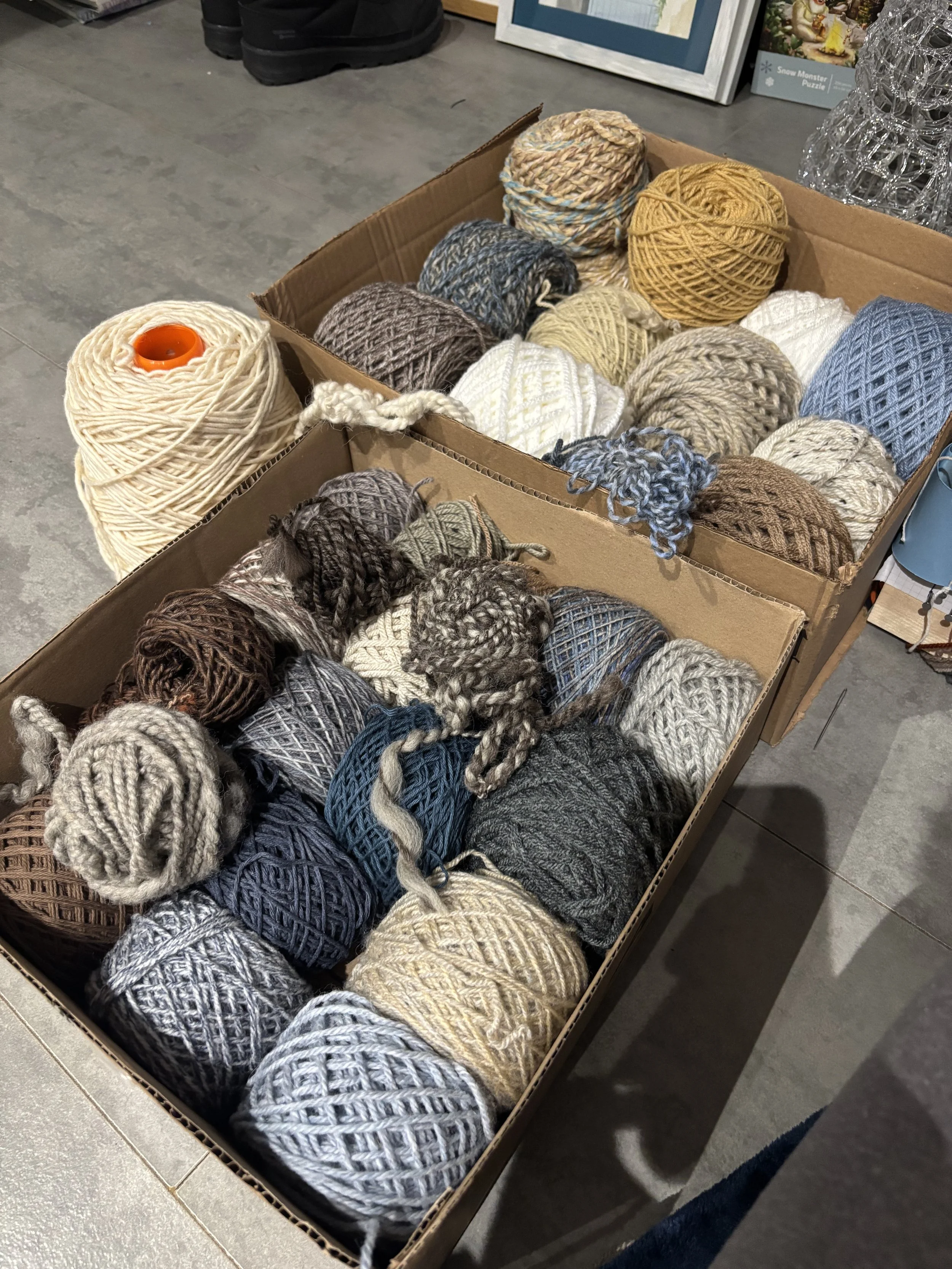
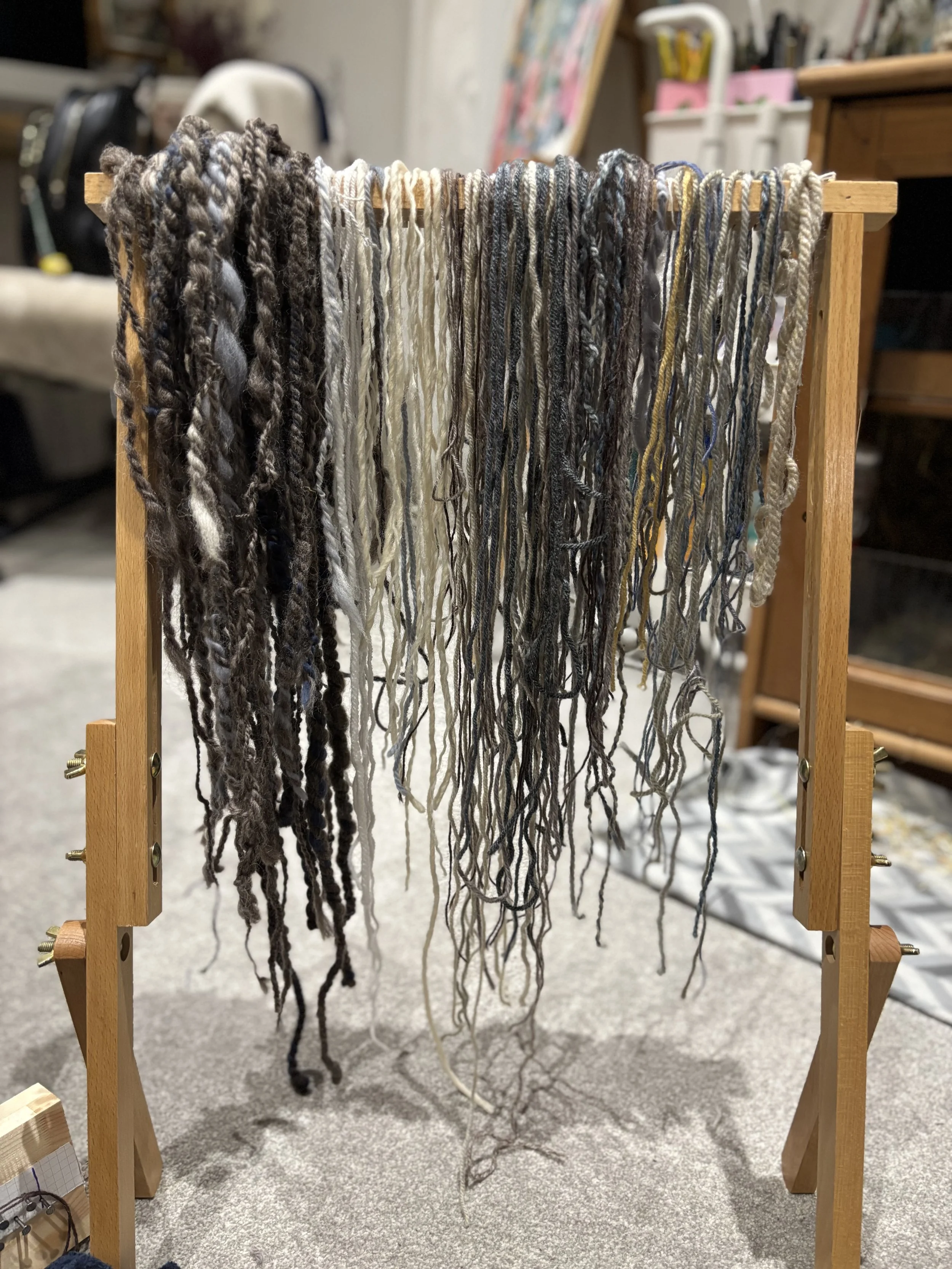
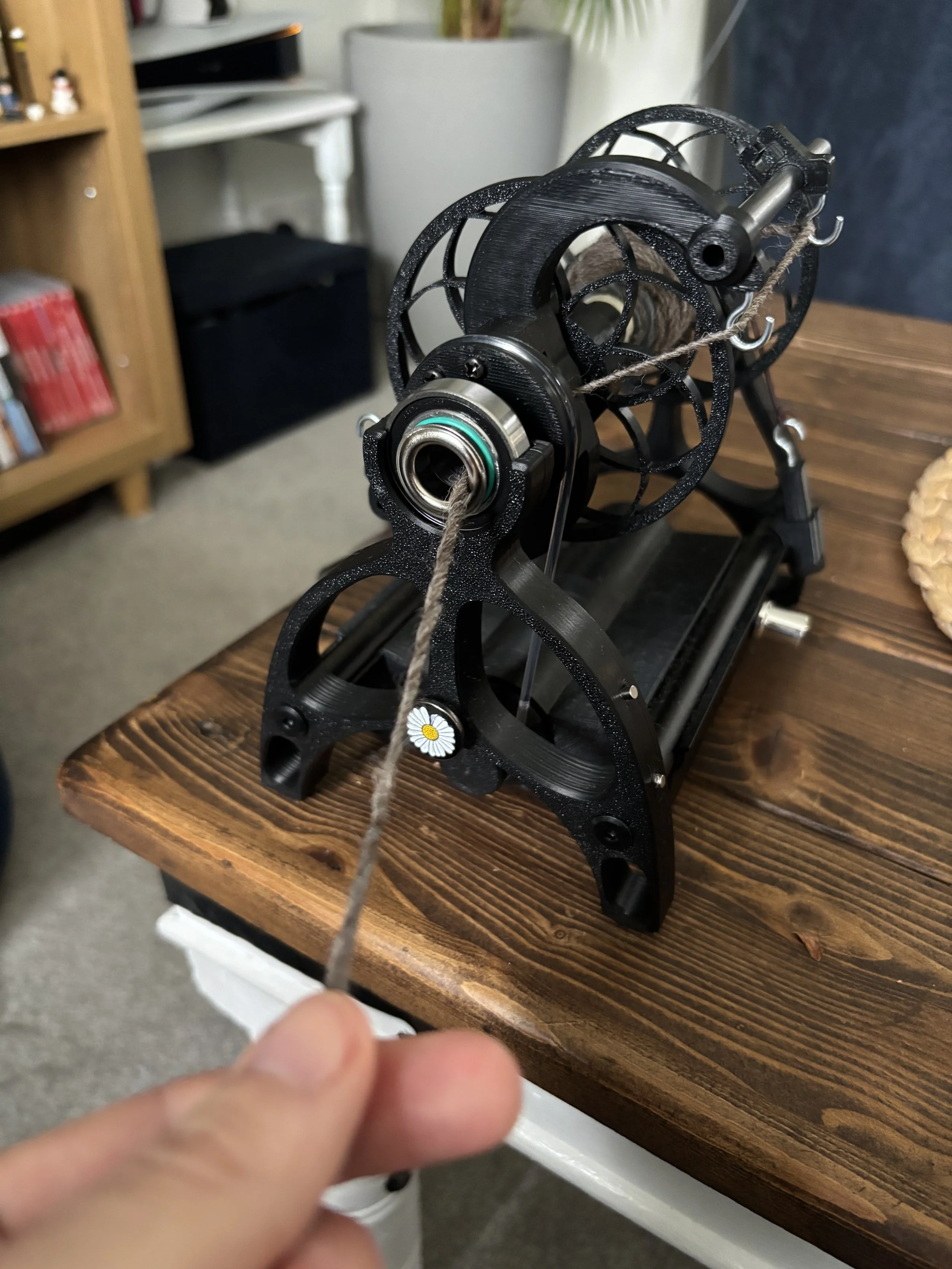
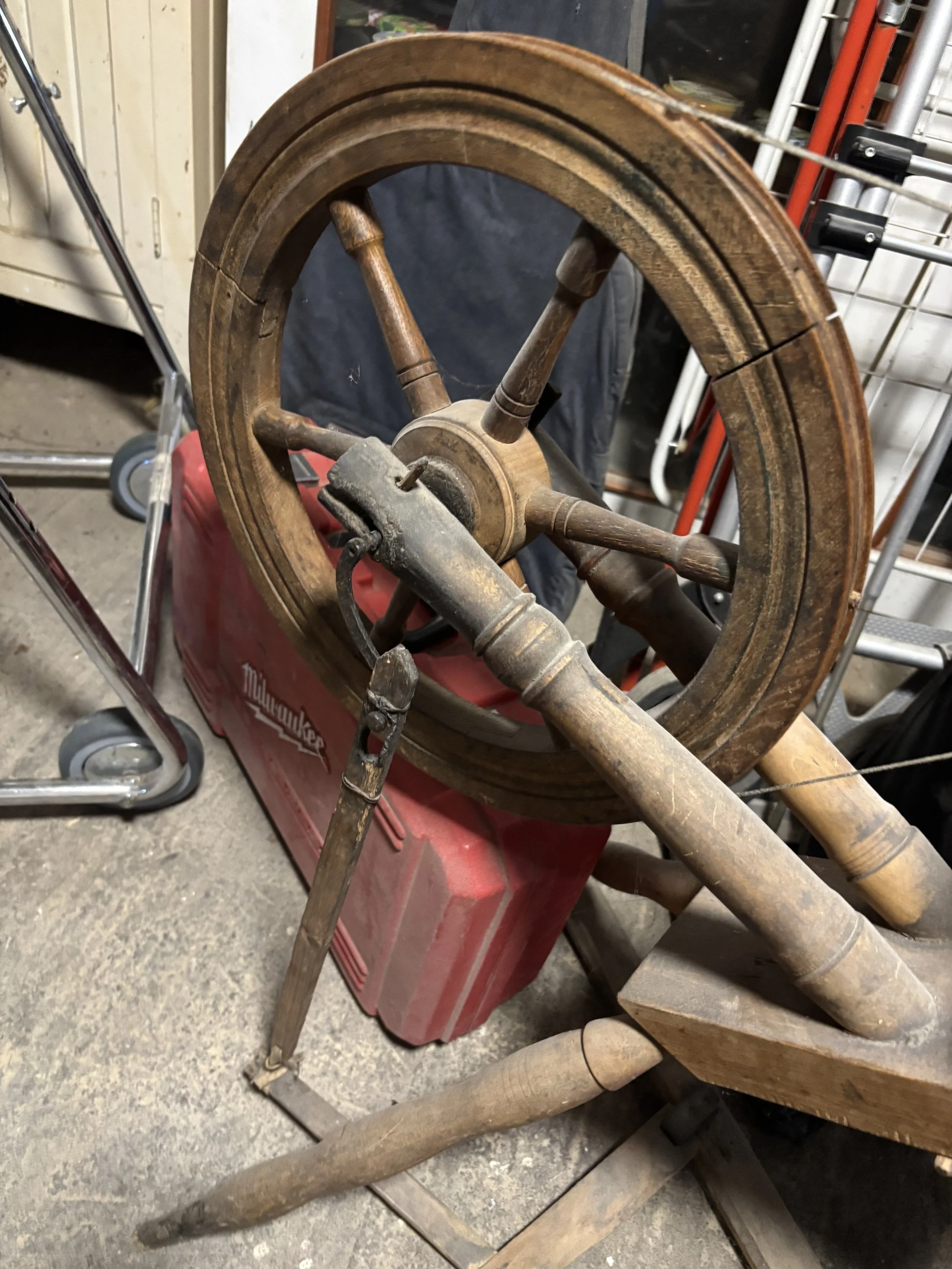
This is my yarn set-up. Some of the yarns are bought, some were given to me by friends, some I already had, and some I’ve made myself. I keep even the smallest offcuts - hanging them on a smaller frame - because I don’t want anything to go to waste. To help speed things up a little, I use an affordable electric spinning wheel. During a visit to Poland, I found an old traditional spinning wheel in the basement of my husband’s family home. It needs repairing, and I don’t quite feel ready to take that on yet, which is why I chose the electric one for now. The old wheel is something I keep thinking about though, and I’m sure it will make its way to the UK with us at some point.
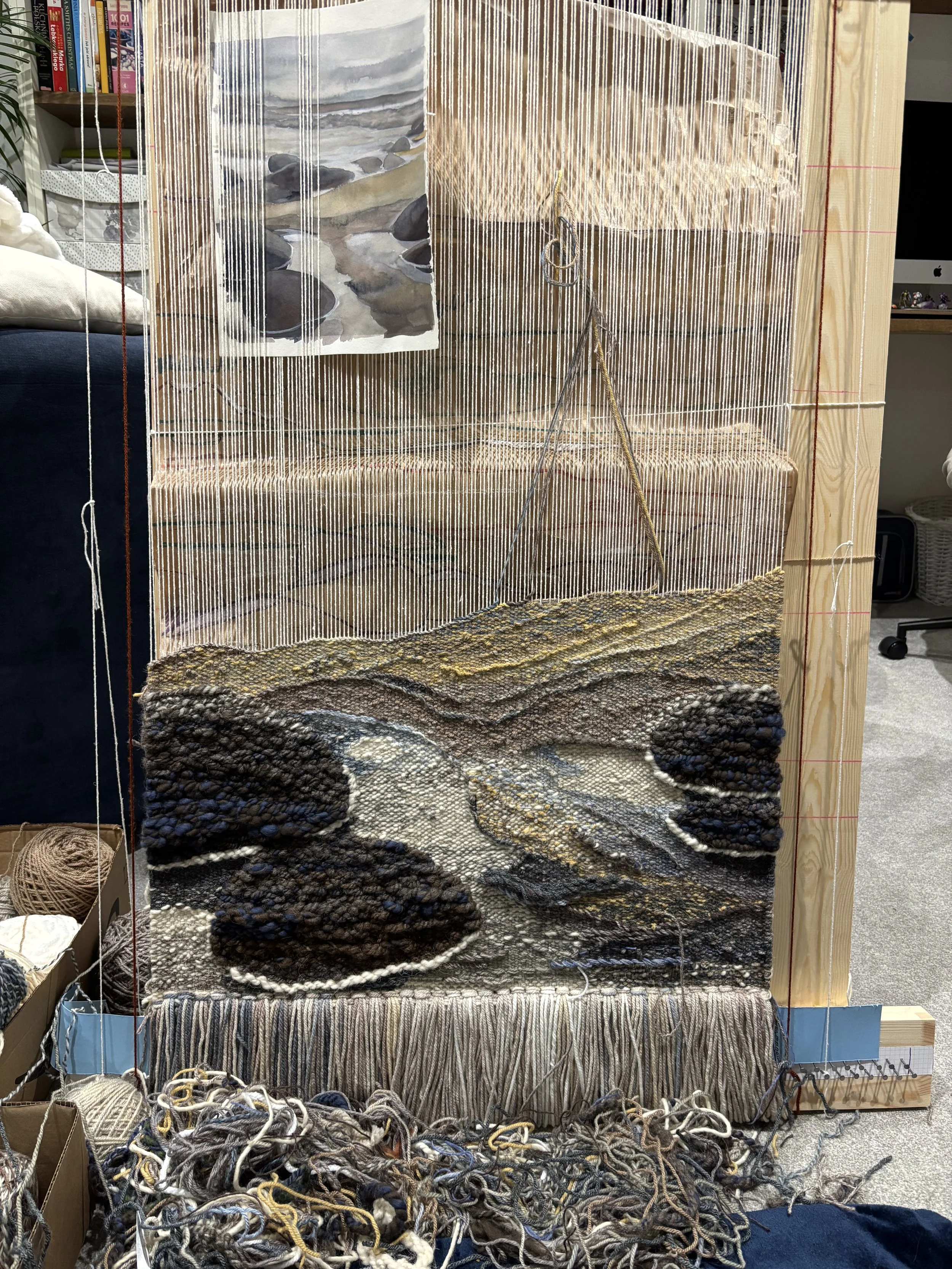
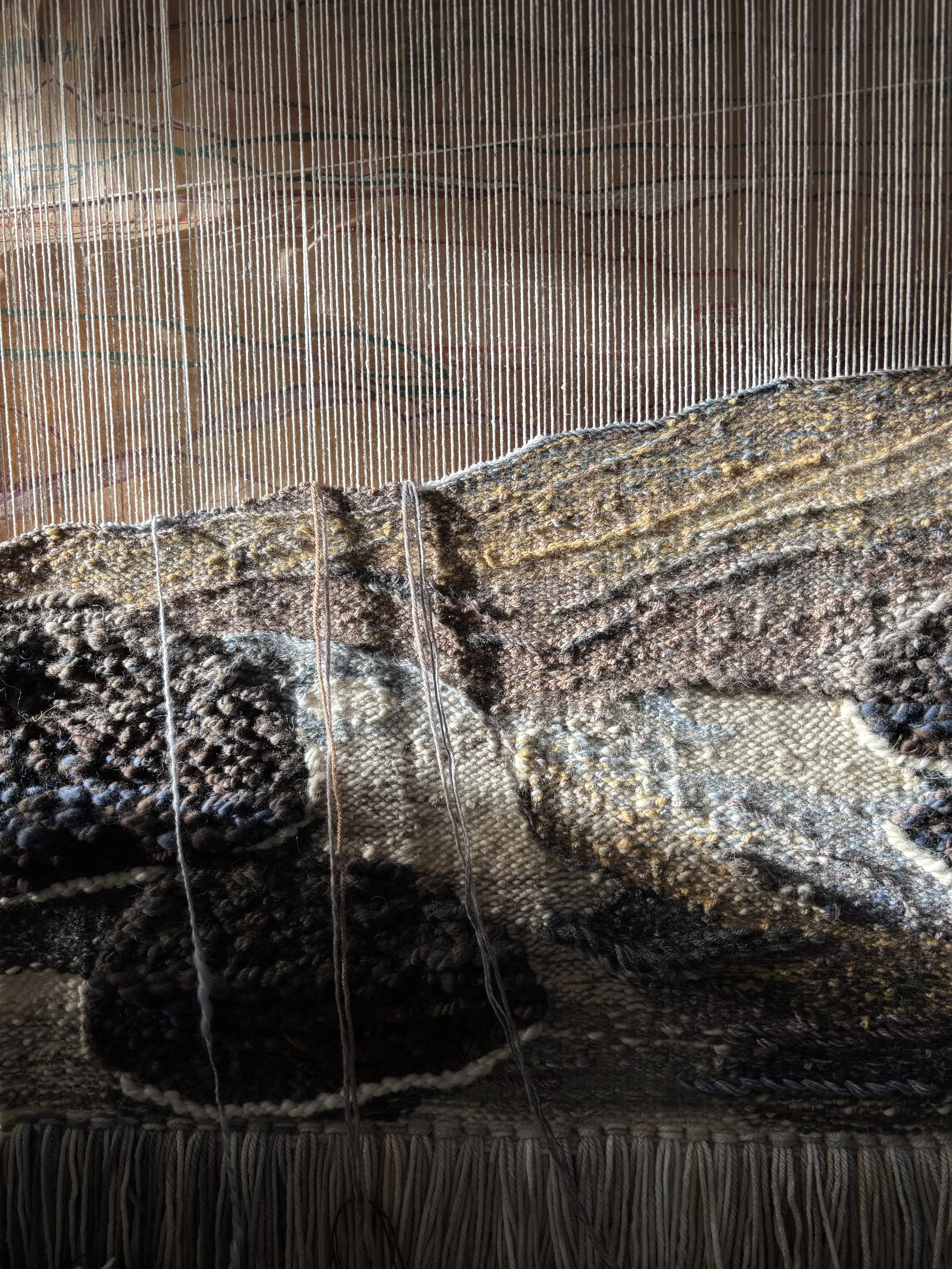
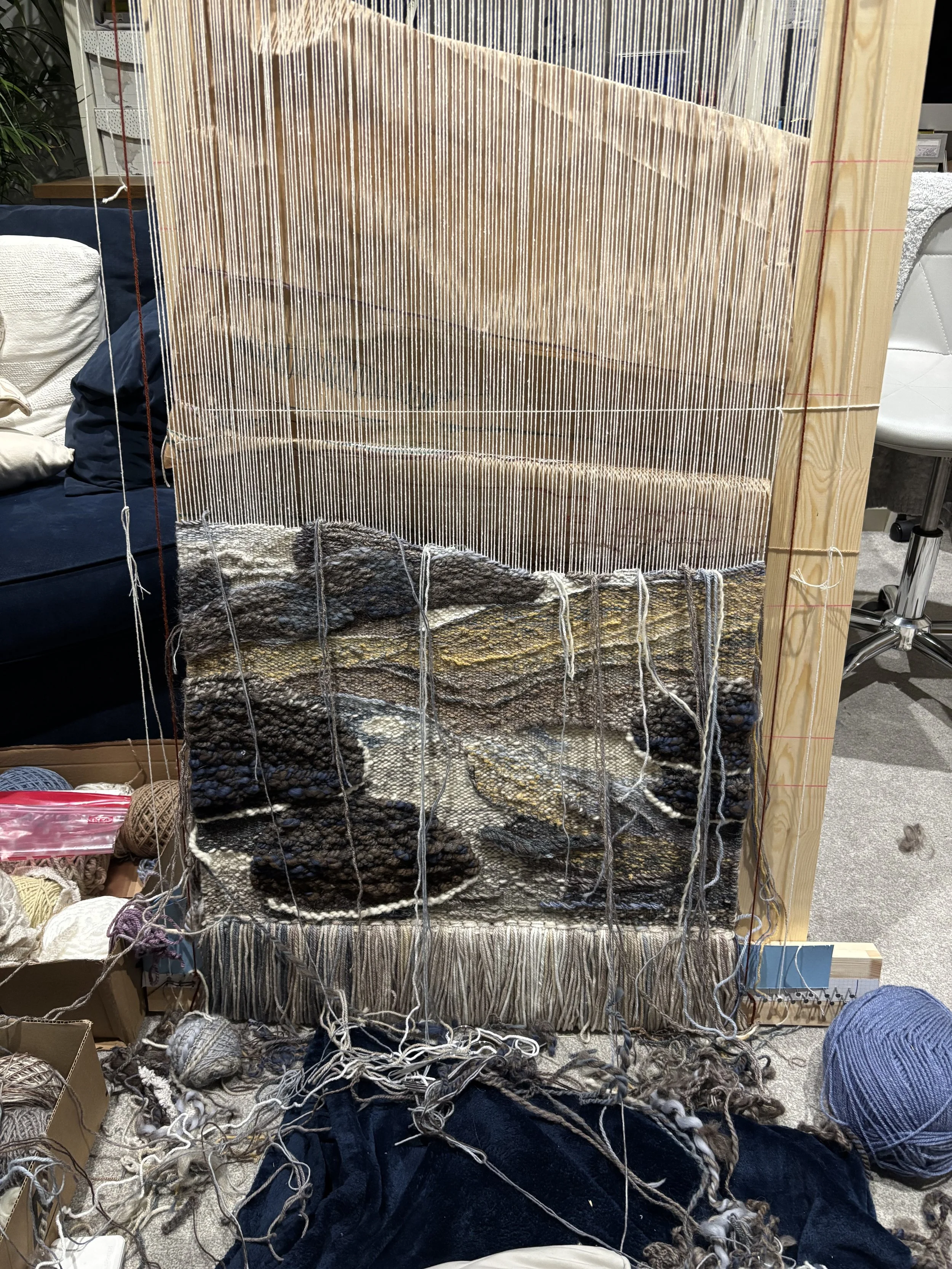
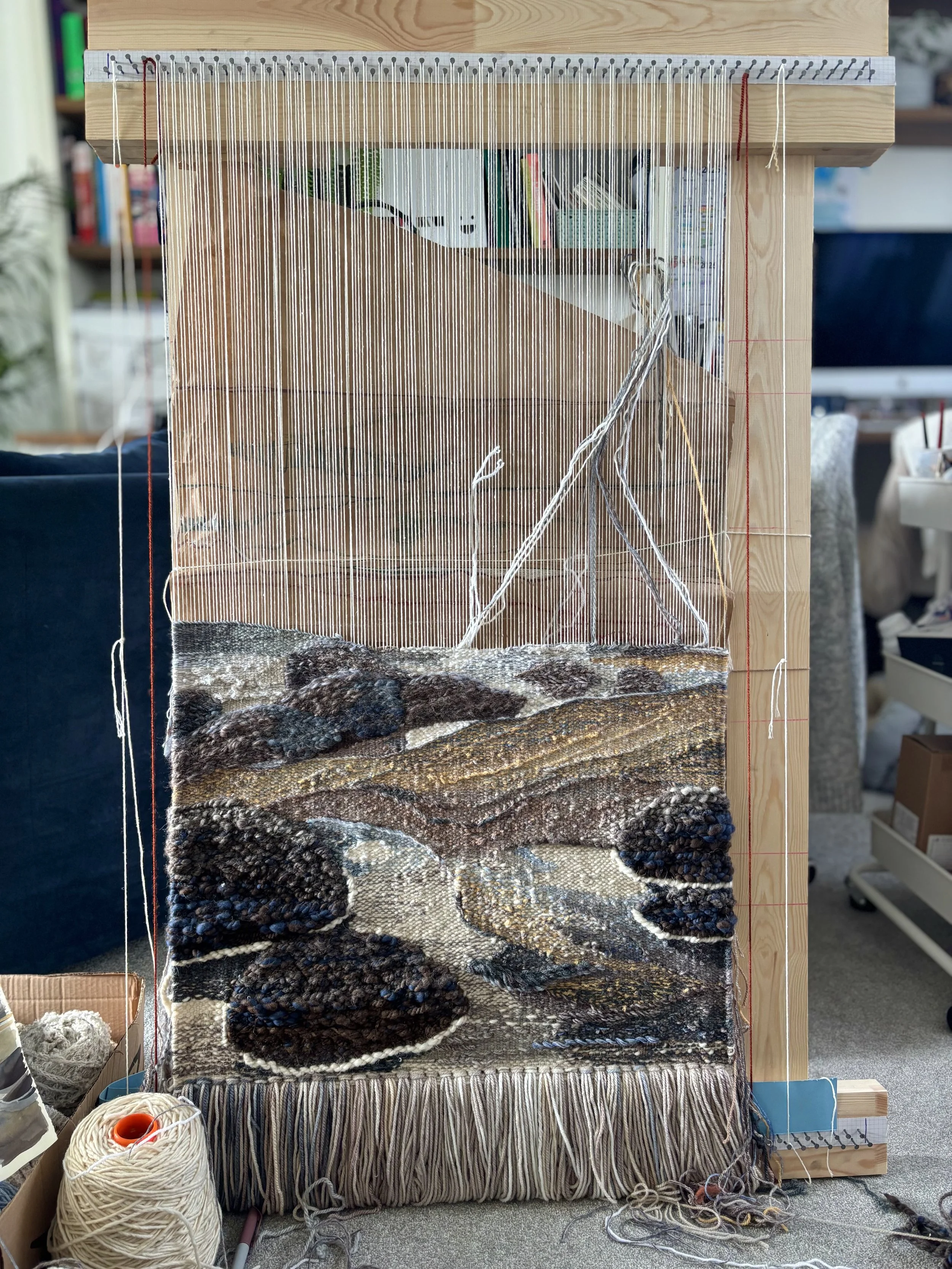
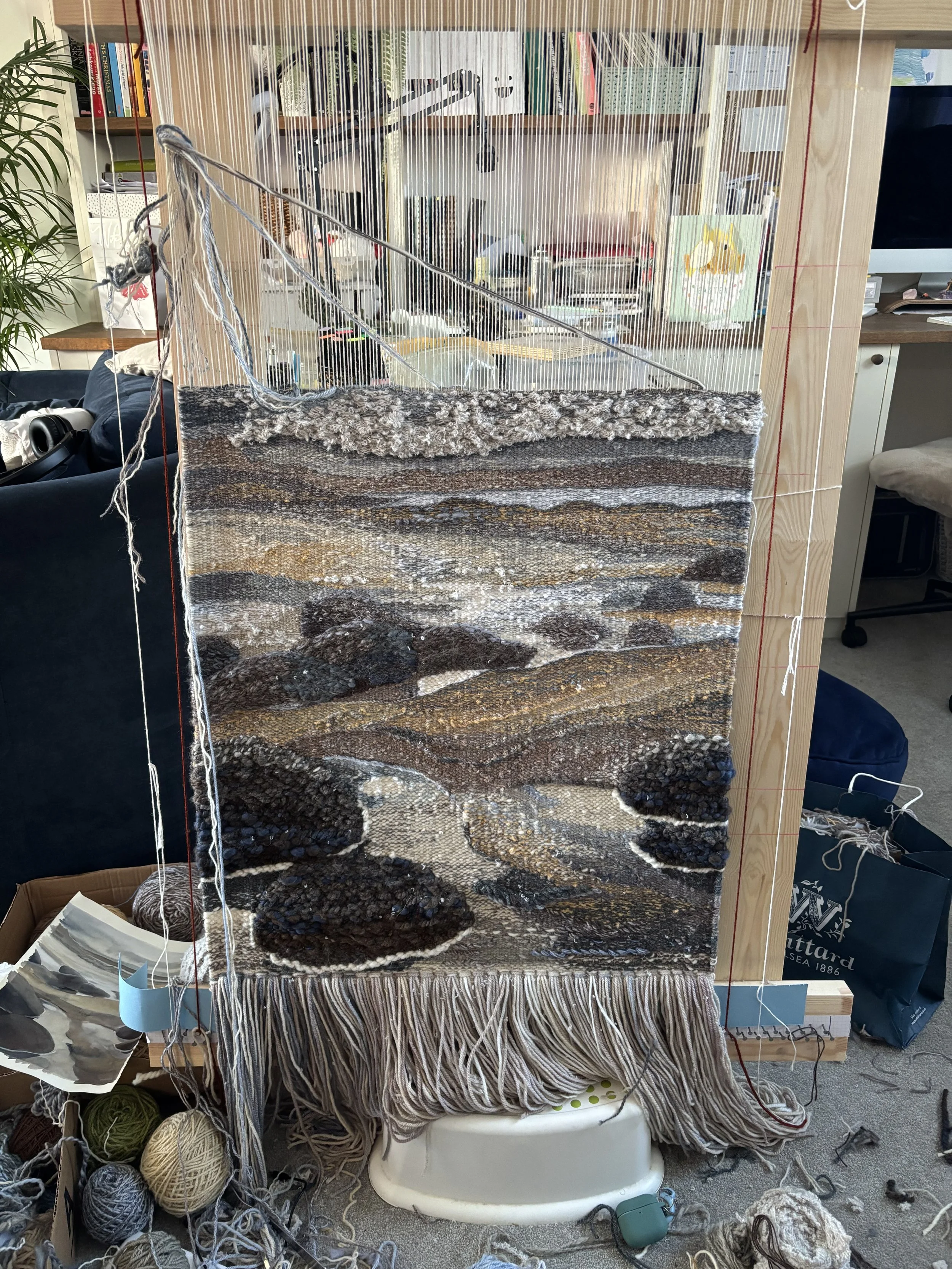
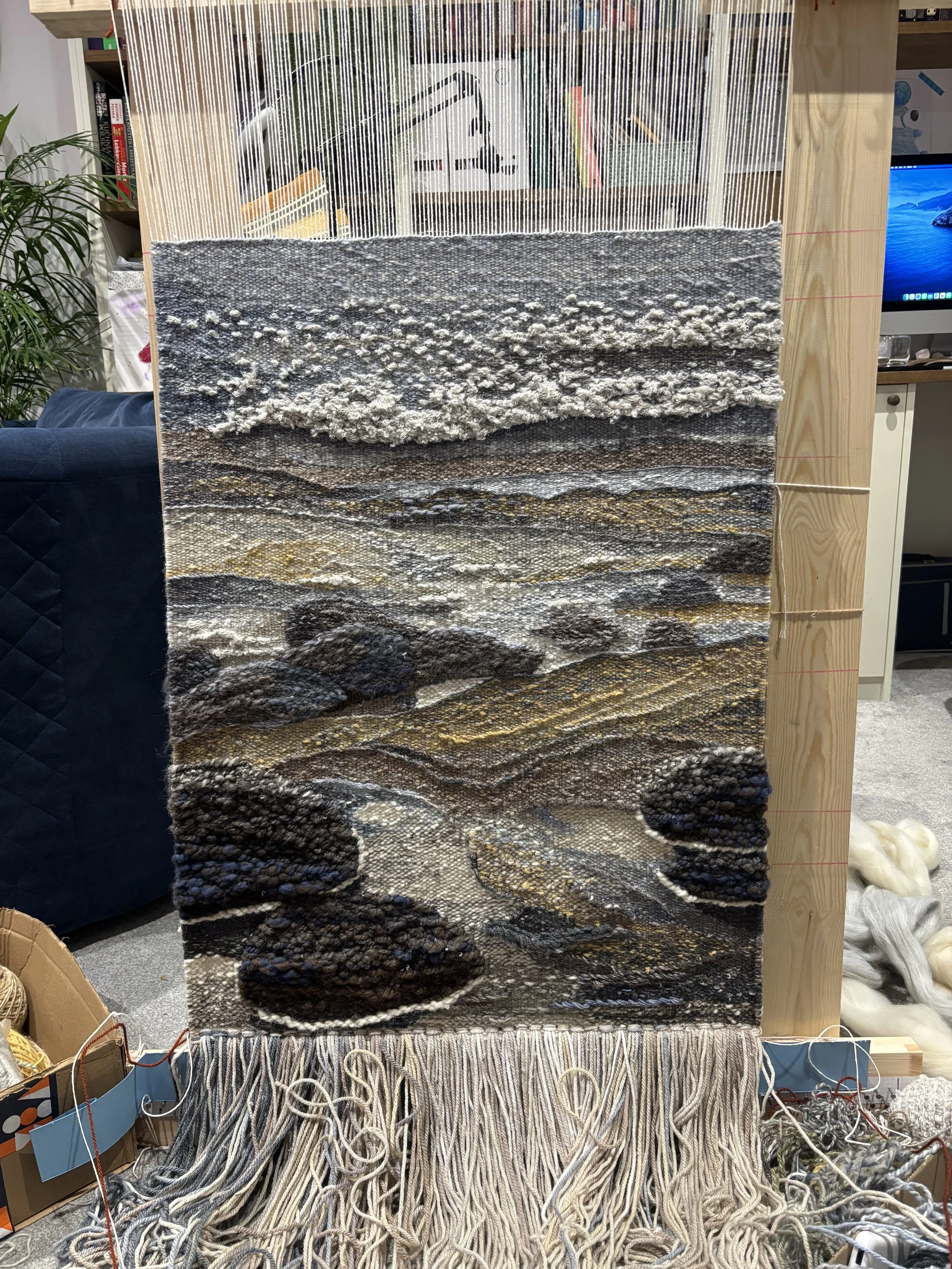
As the weaving progresses, the piece starts to gain weight and presence. I build the surface slowly, layer by layer, adjusting density, colour, and tension as I go. Some areas become heavier and more compact, while others stay lighter and more open, responding to the materials and the landscape I’m thinking about. I often stop, step back, and look at the work from a distance before continuing.
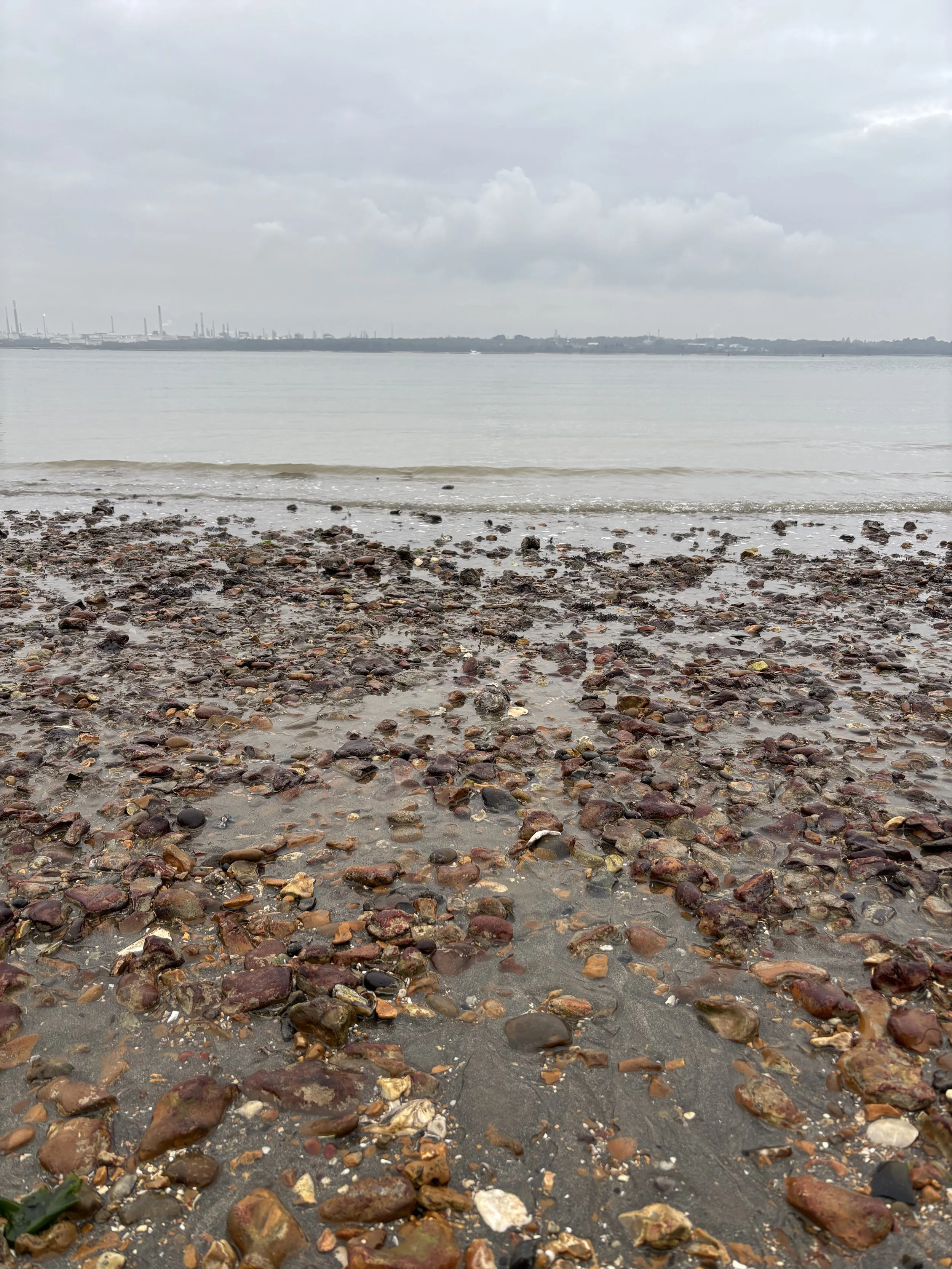
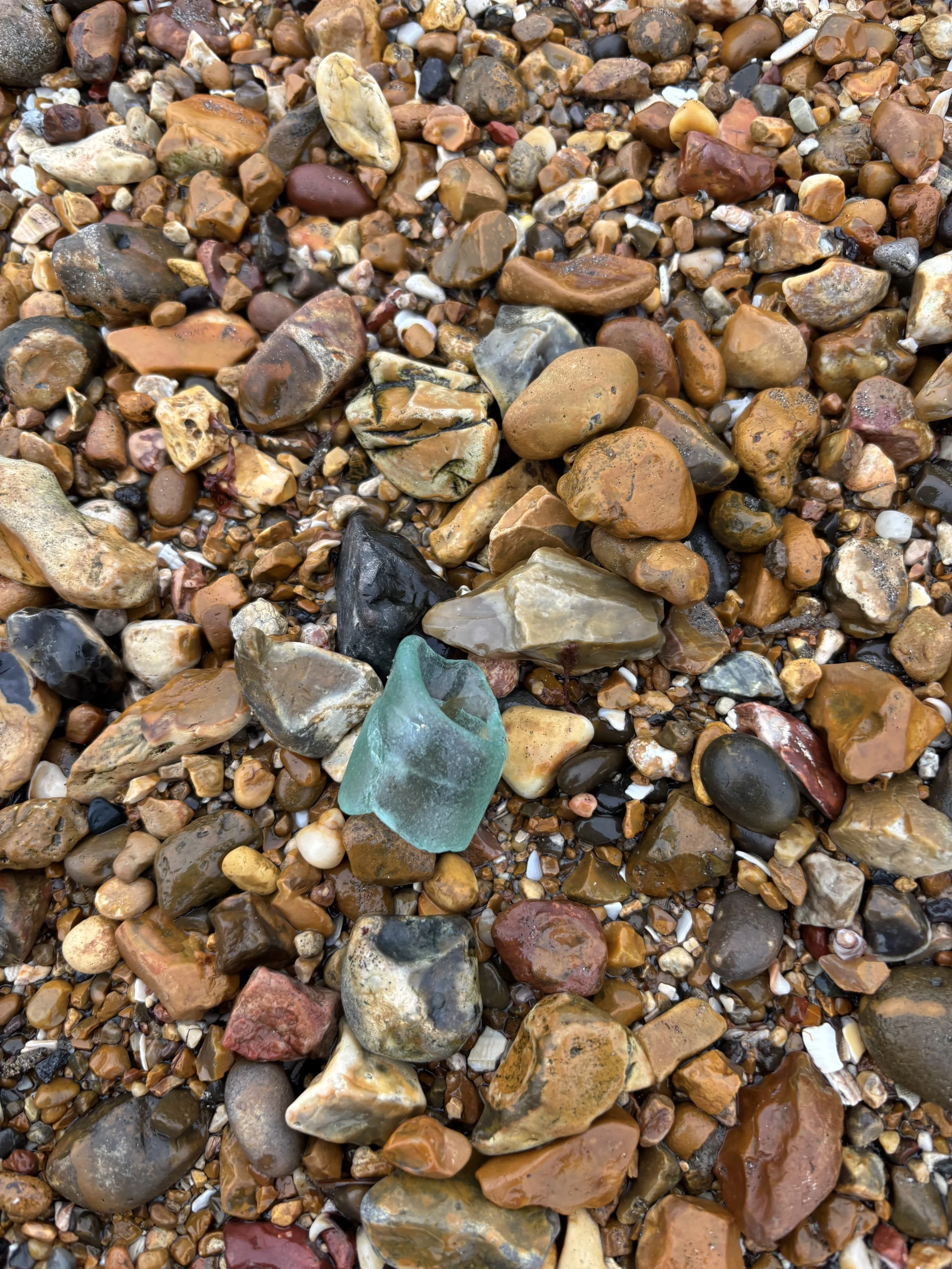
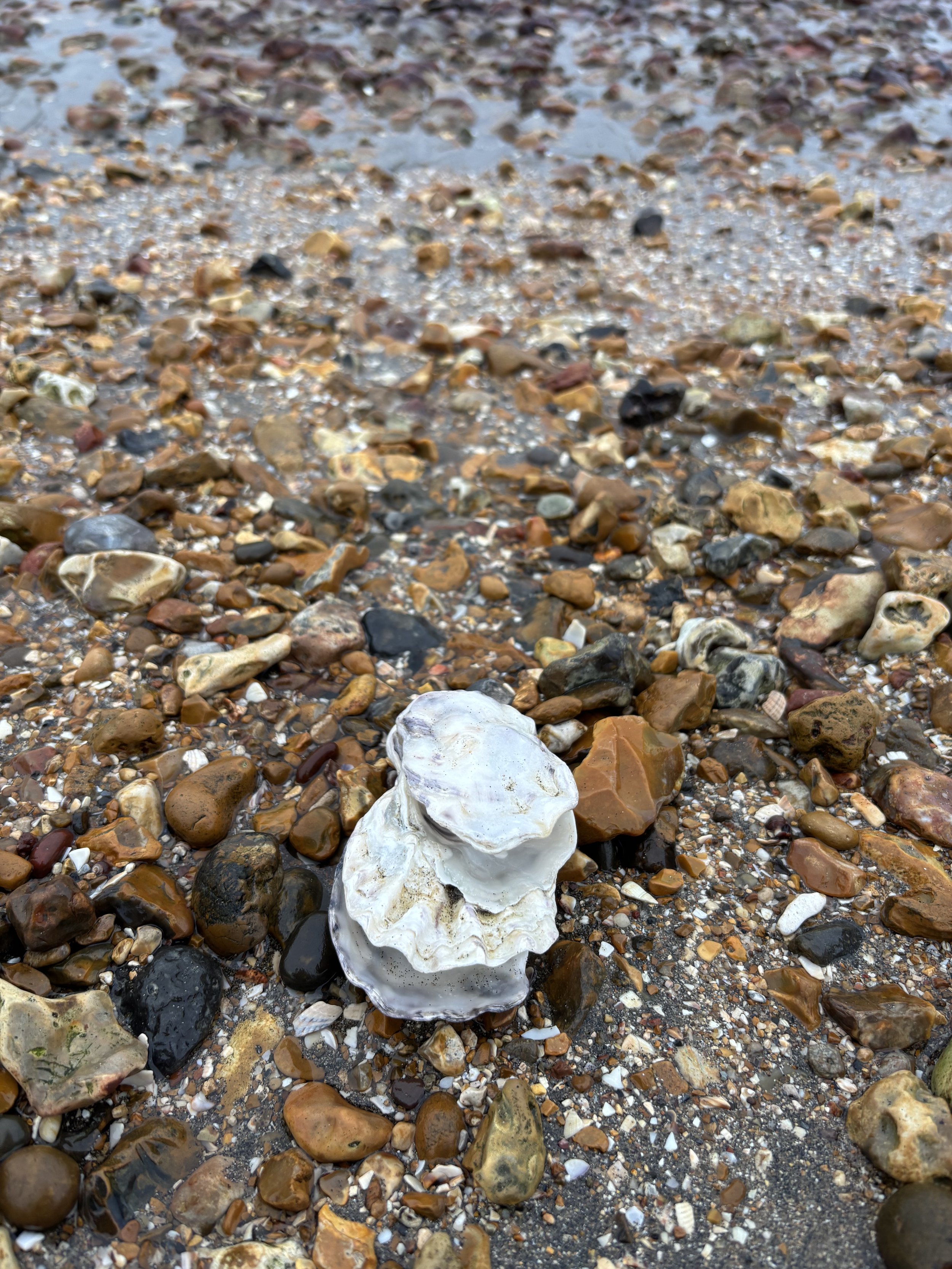
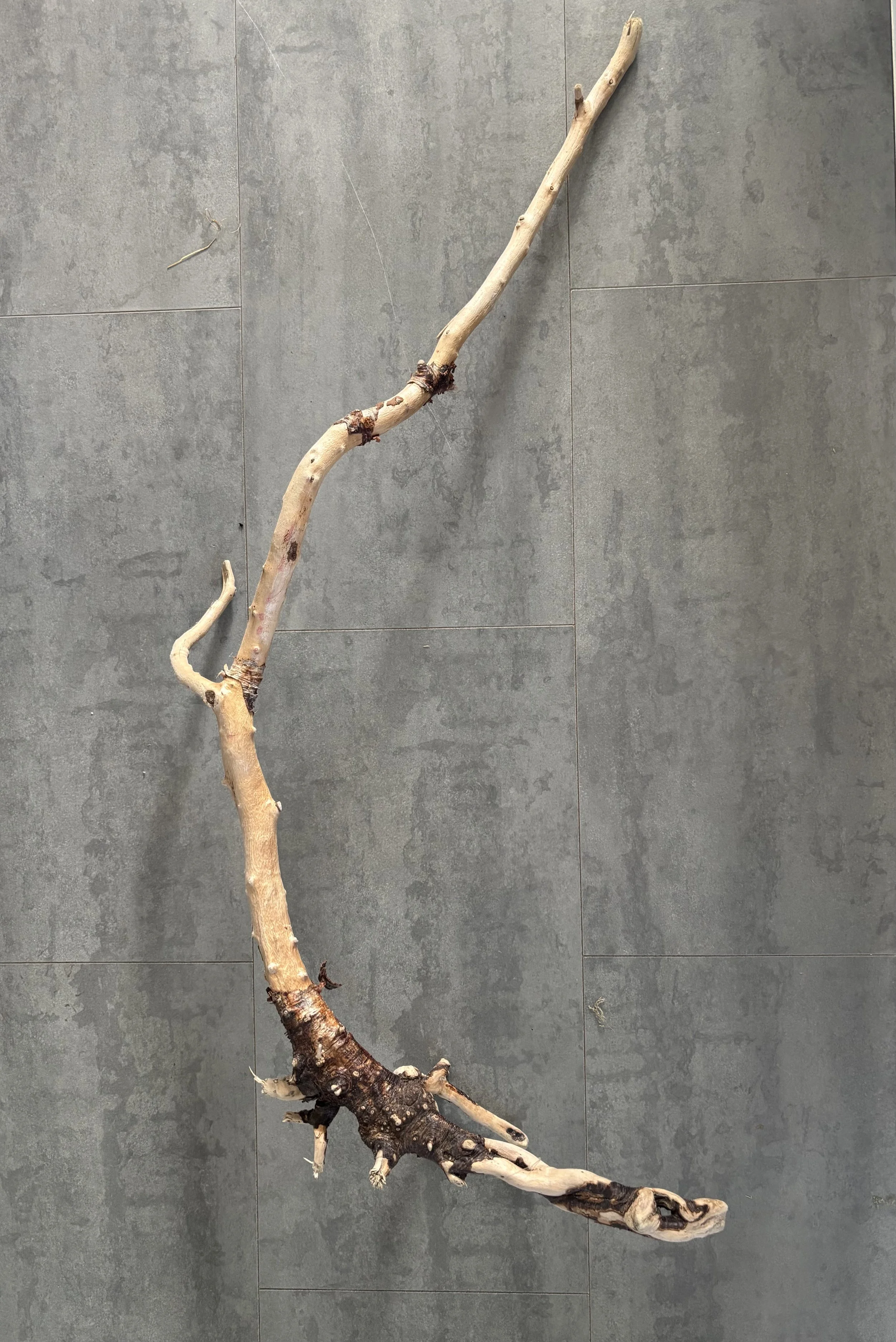
The work is still in progress. I spend time walking along the beach, looking for things that catch my eye - stones, shells, pieces of driftwood.
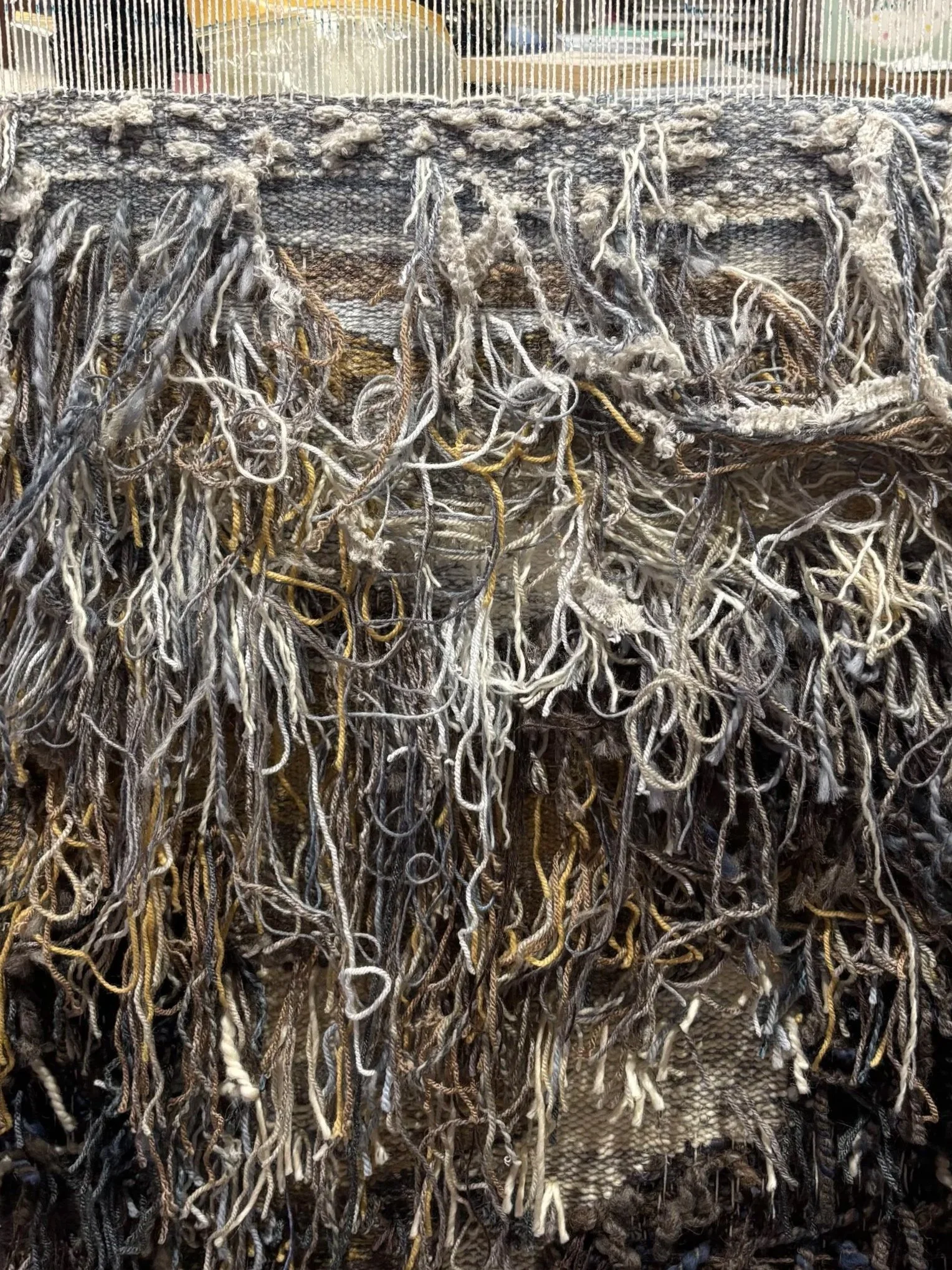
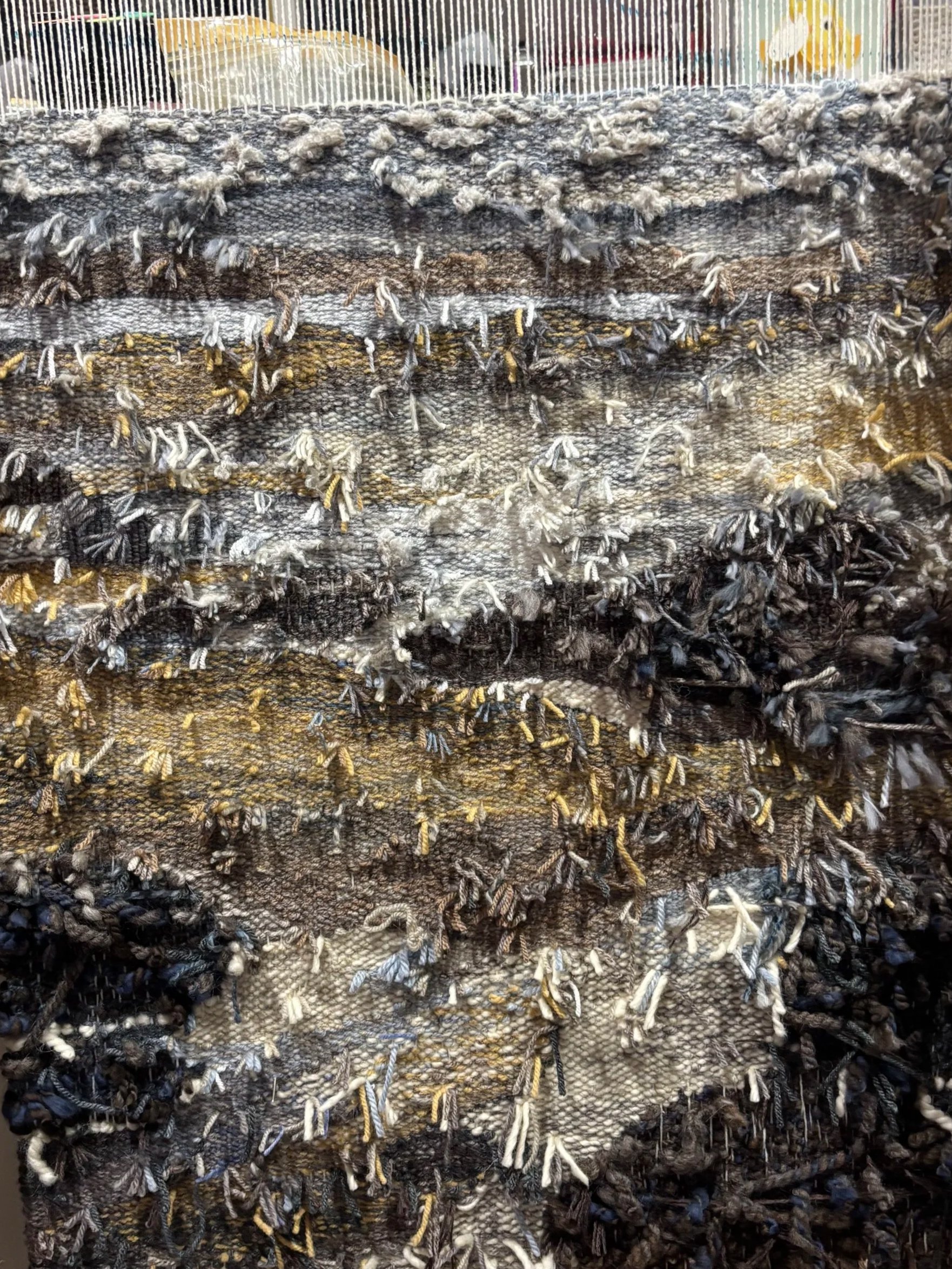
Once the main part of the weaving was finished, I started working on the back of the piece. There were many loose ends left from the different yarns I had used, so I spent some time trimming, securing and organising them.
Cleaning the back also gave me a chance to look at the construction of the piece from a different perspective. There are many layers and different materials hidden behind the surface, and I like the fact that some of this evidence of the making remains visible.
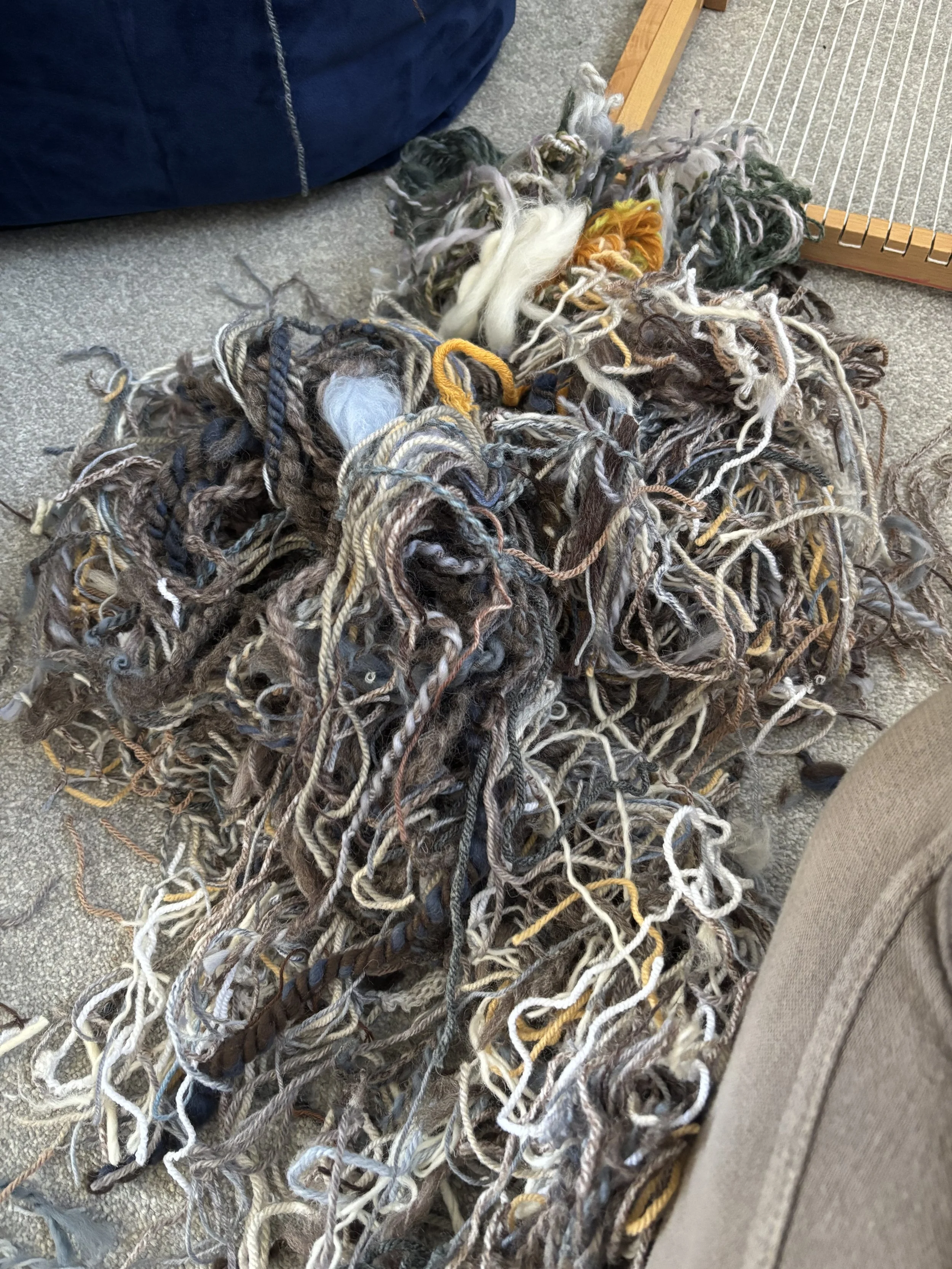
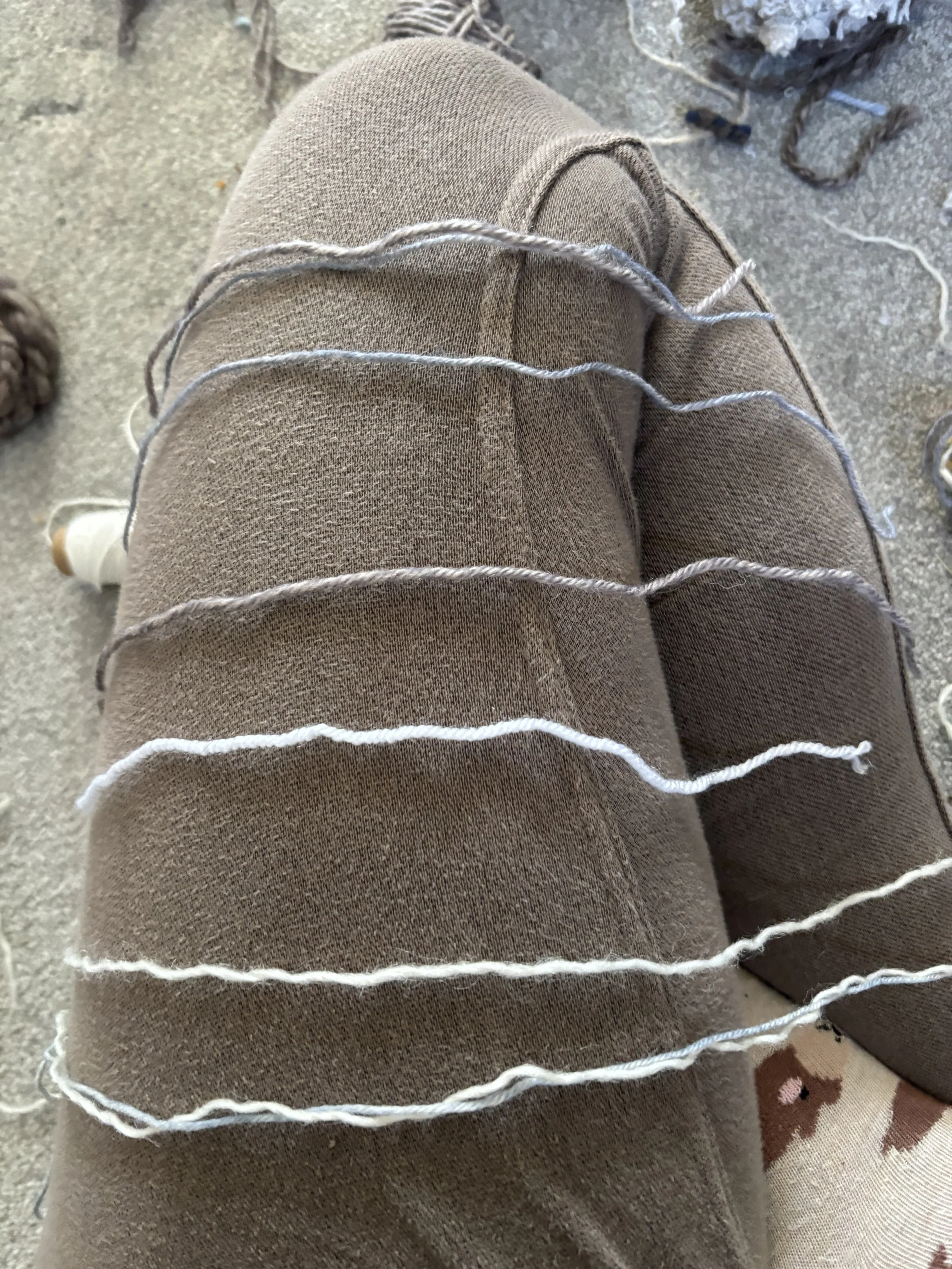
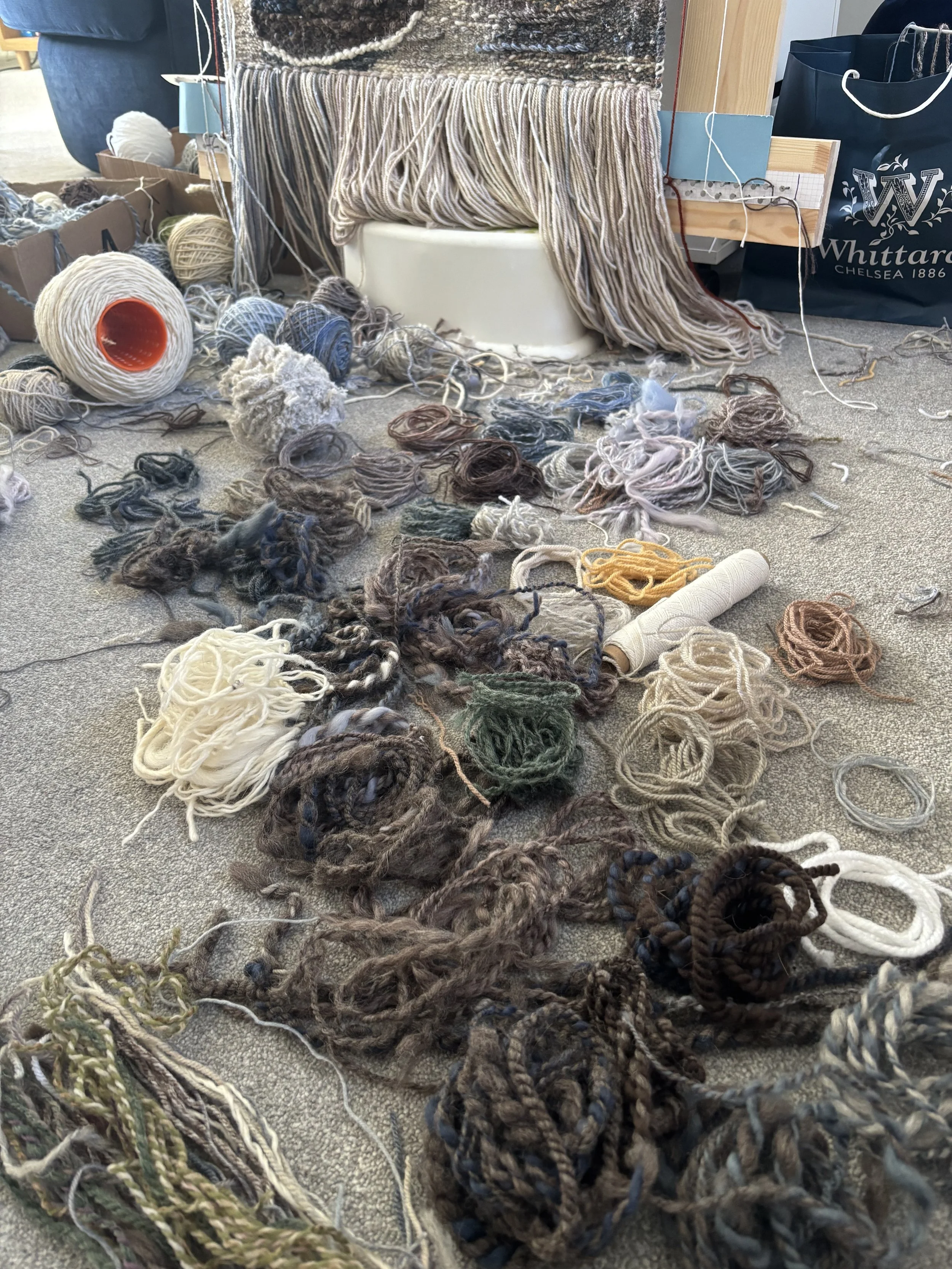
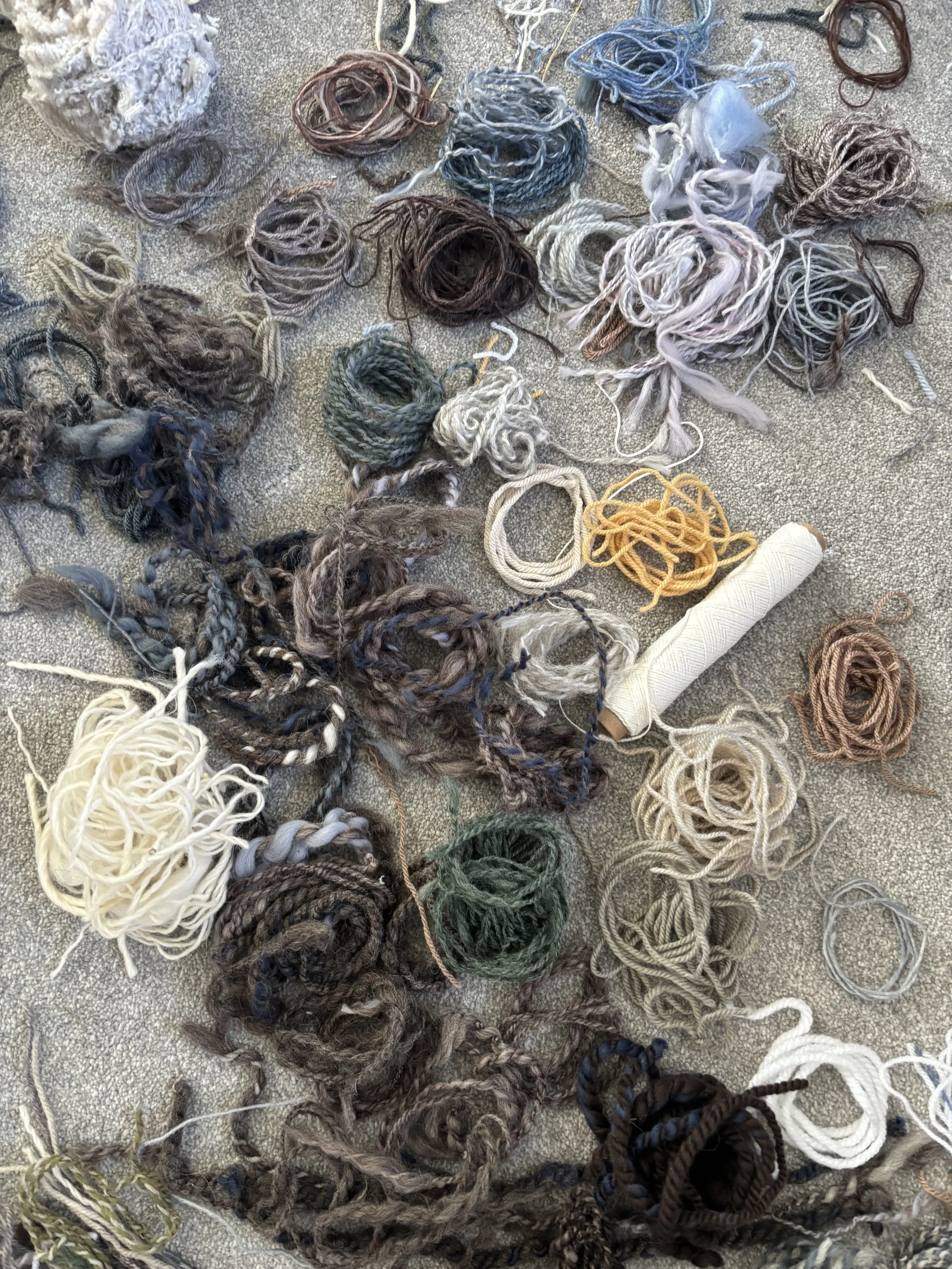
I tried not to cut more than was necessary. Many of the ends are quite long and can be used again in future pieces, so I kept as much of the yarn as I could. I really don’t like throwing materials away, especially when they can still be useful.
Some of the leftover pieces are very small, while others are long enough to be used again as weft or combined with other yarns. I have started keeping these leftovers together with the rest of my yarns rather than treating them as waste.
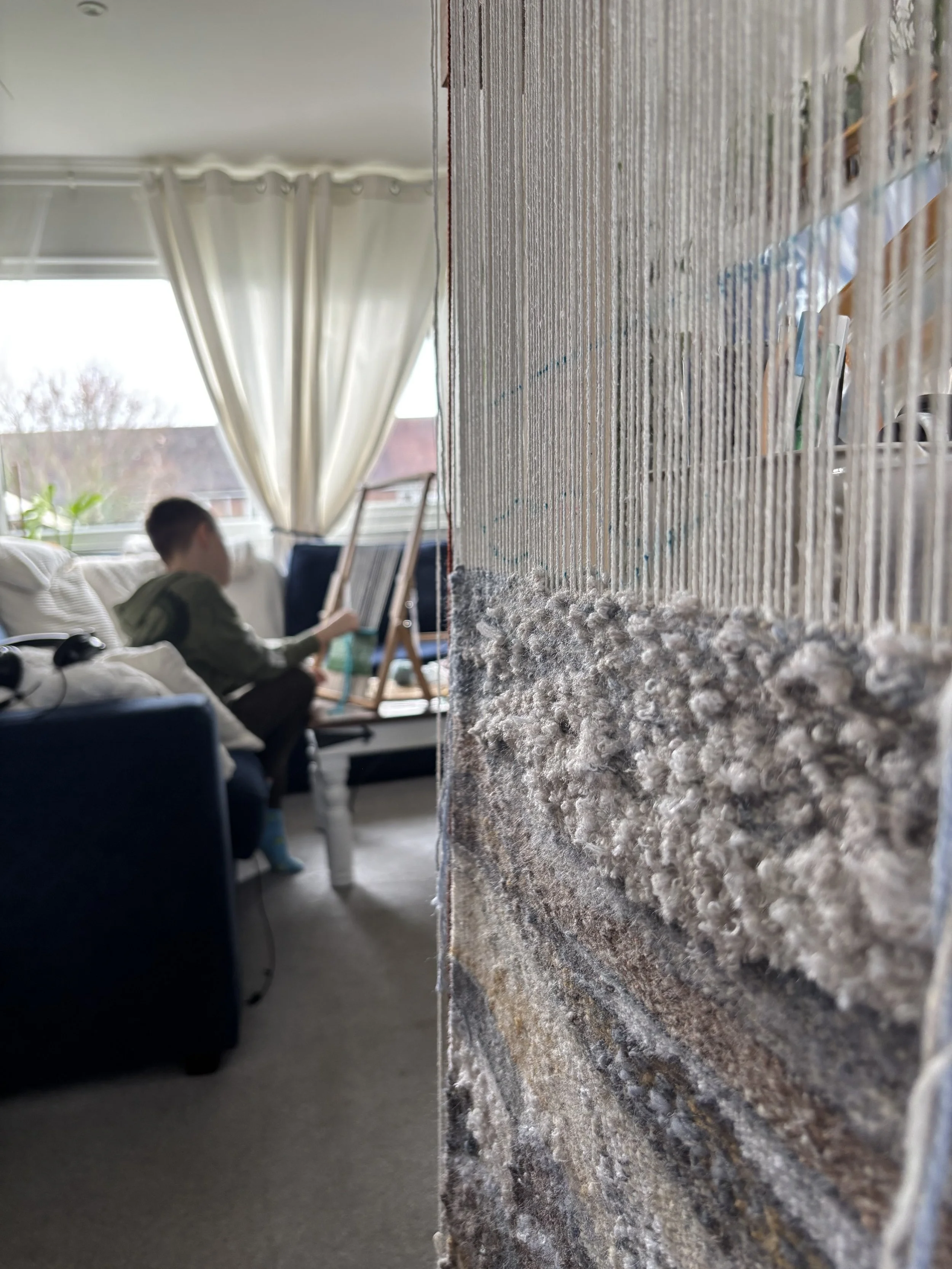
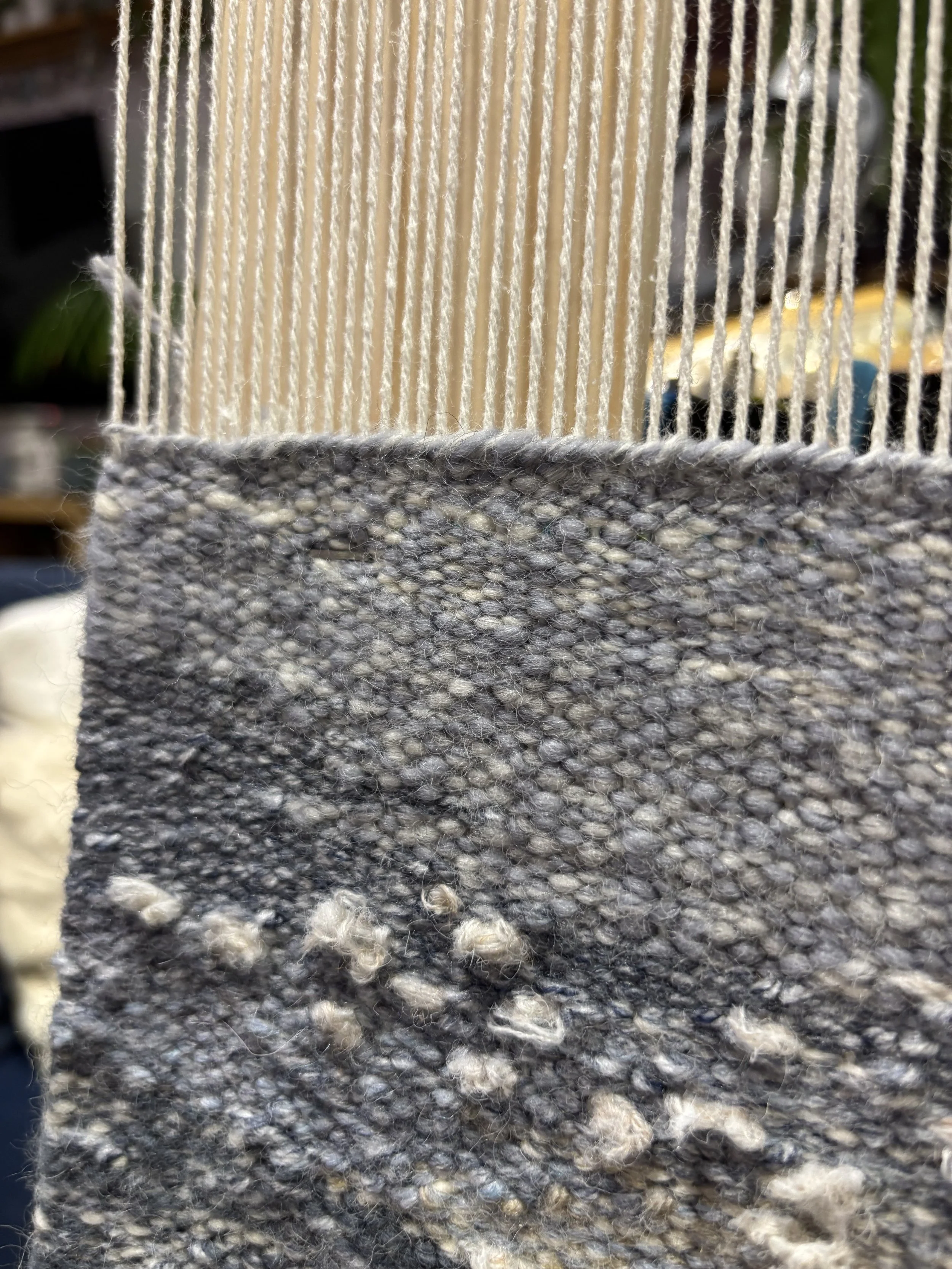
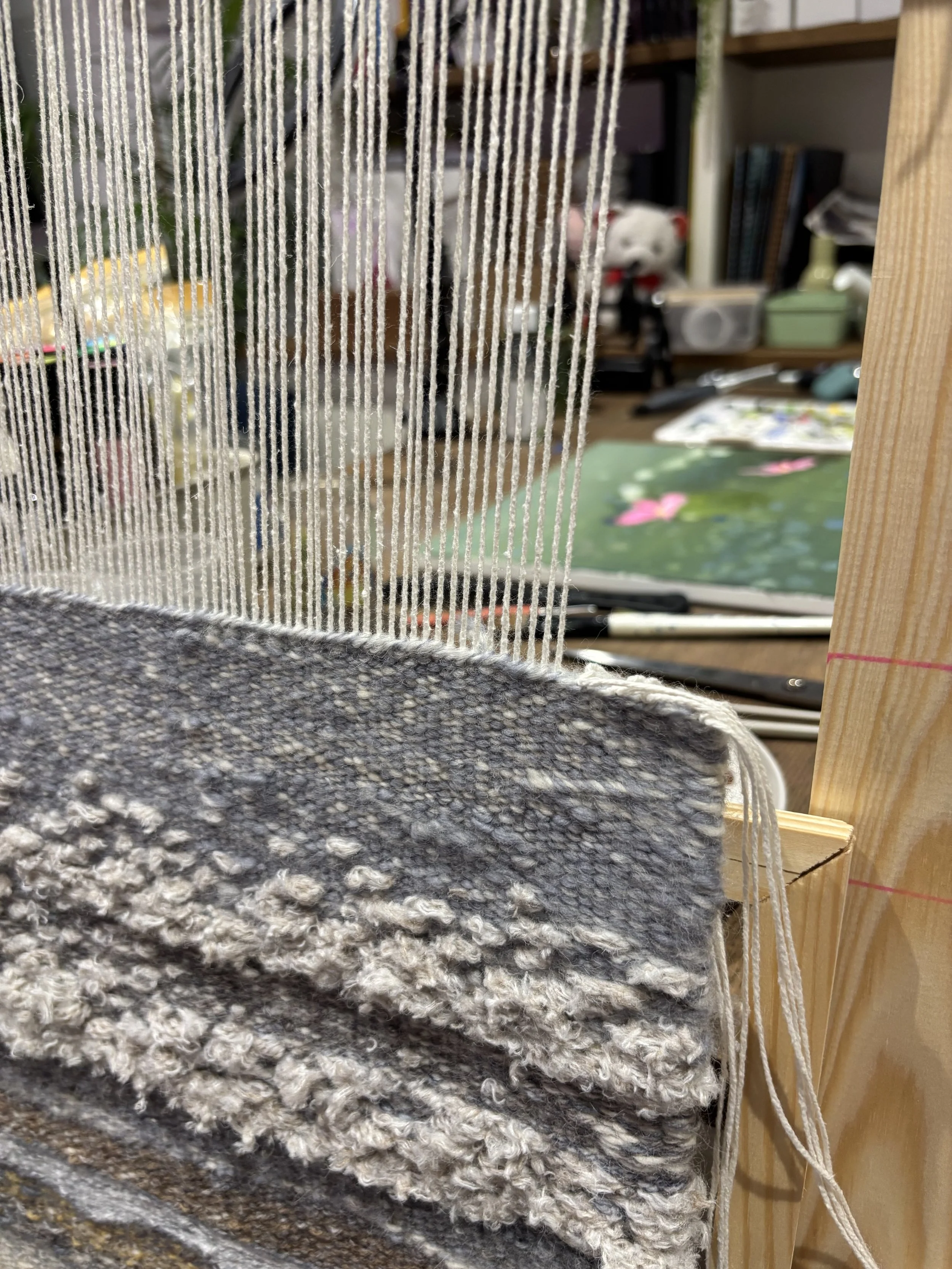
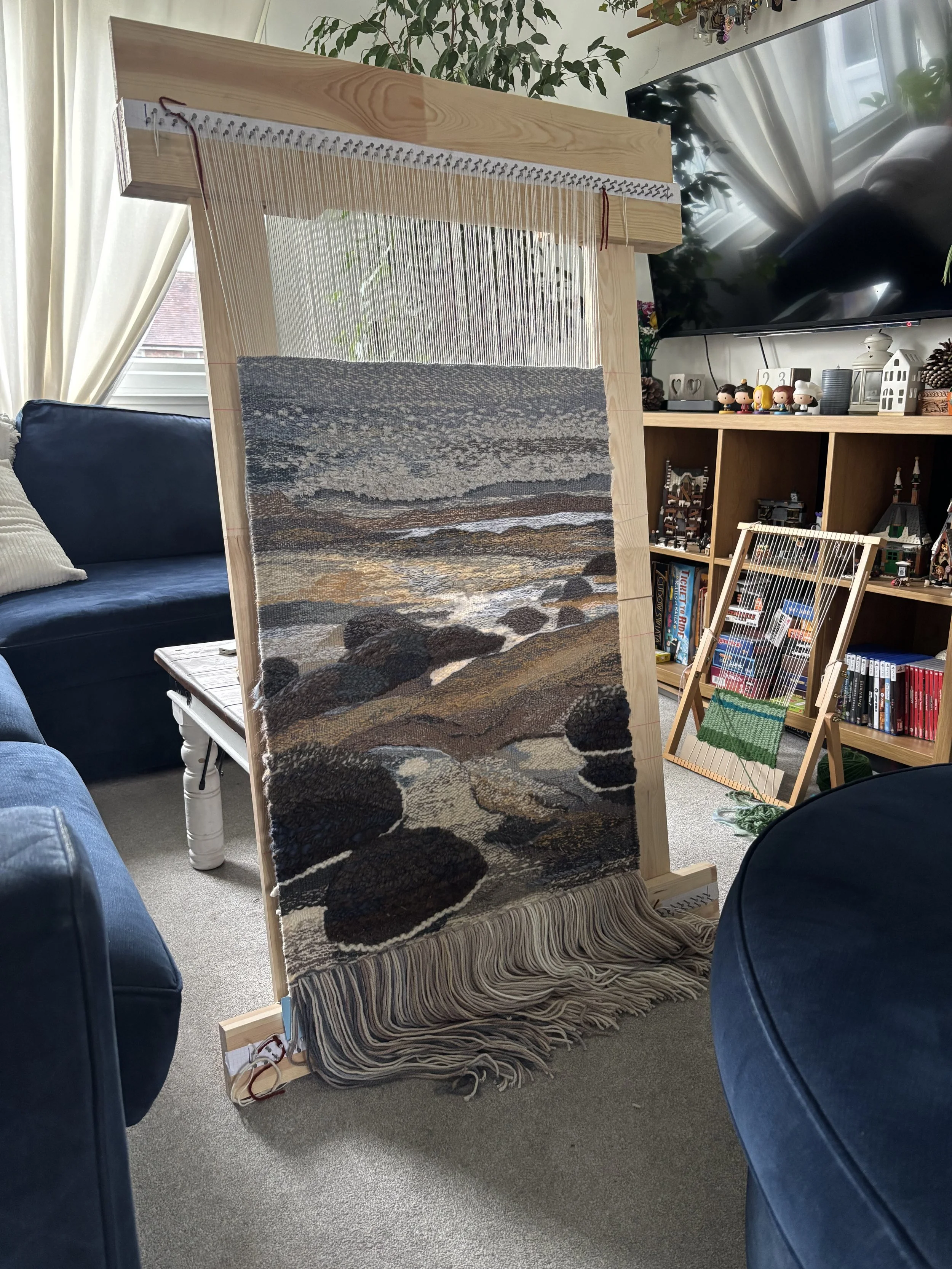
Once the woven section was beginning to feel complete, I started thinking about how I wanted to present it. I did not want to use a conventional wooden frame, as it felt too separate from the landscape that inspired the piece.
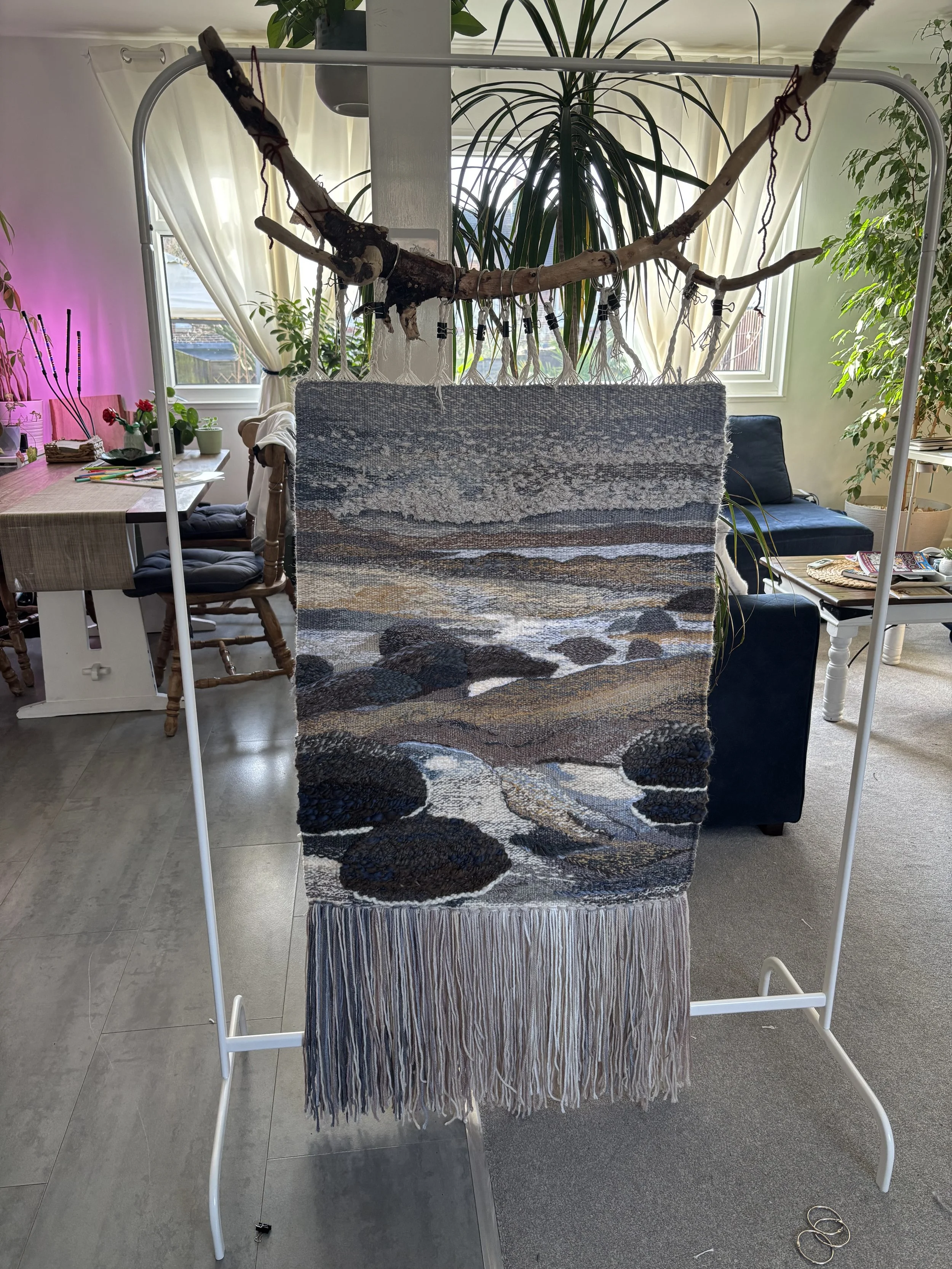
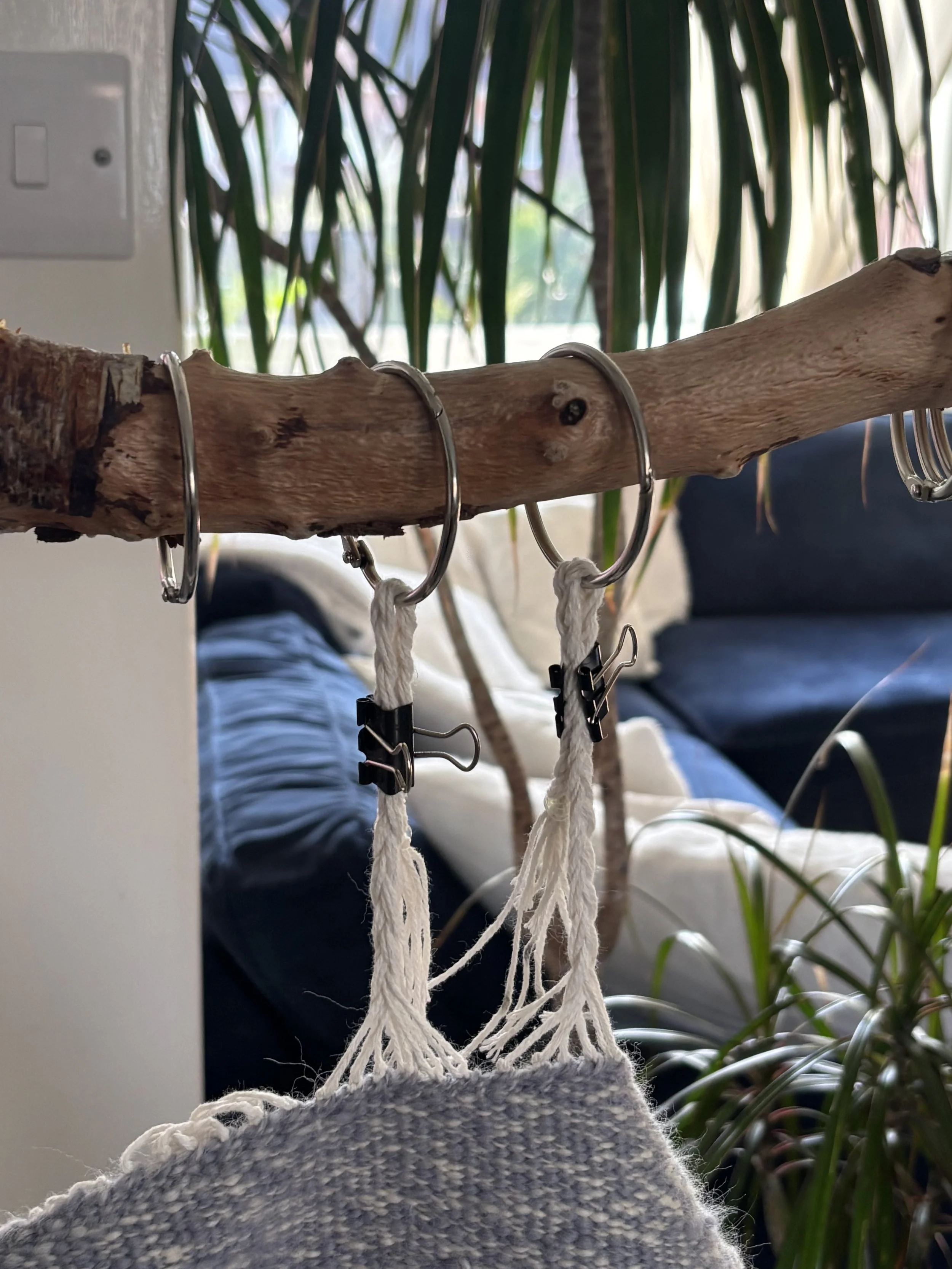
I decided to use a piece of driftwood that I found on the beach. Its irregular shape and natural surface felt much more connected to the work. I cleaned it and spent some time working out how the textile could be attached while still allowing the character of the branch to remain visible.
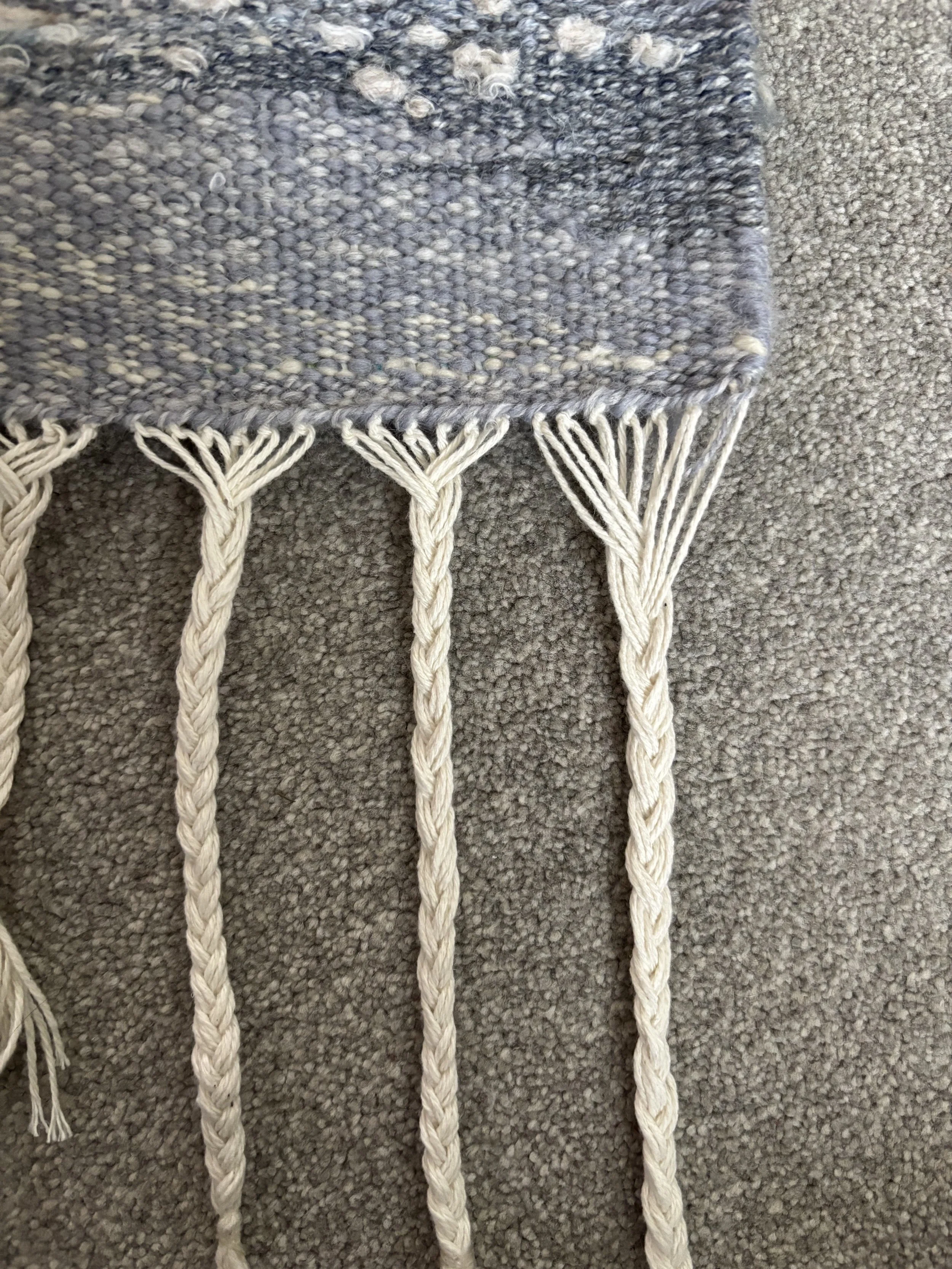
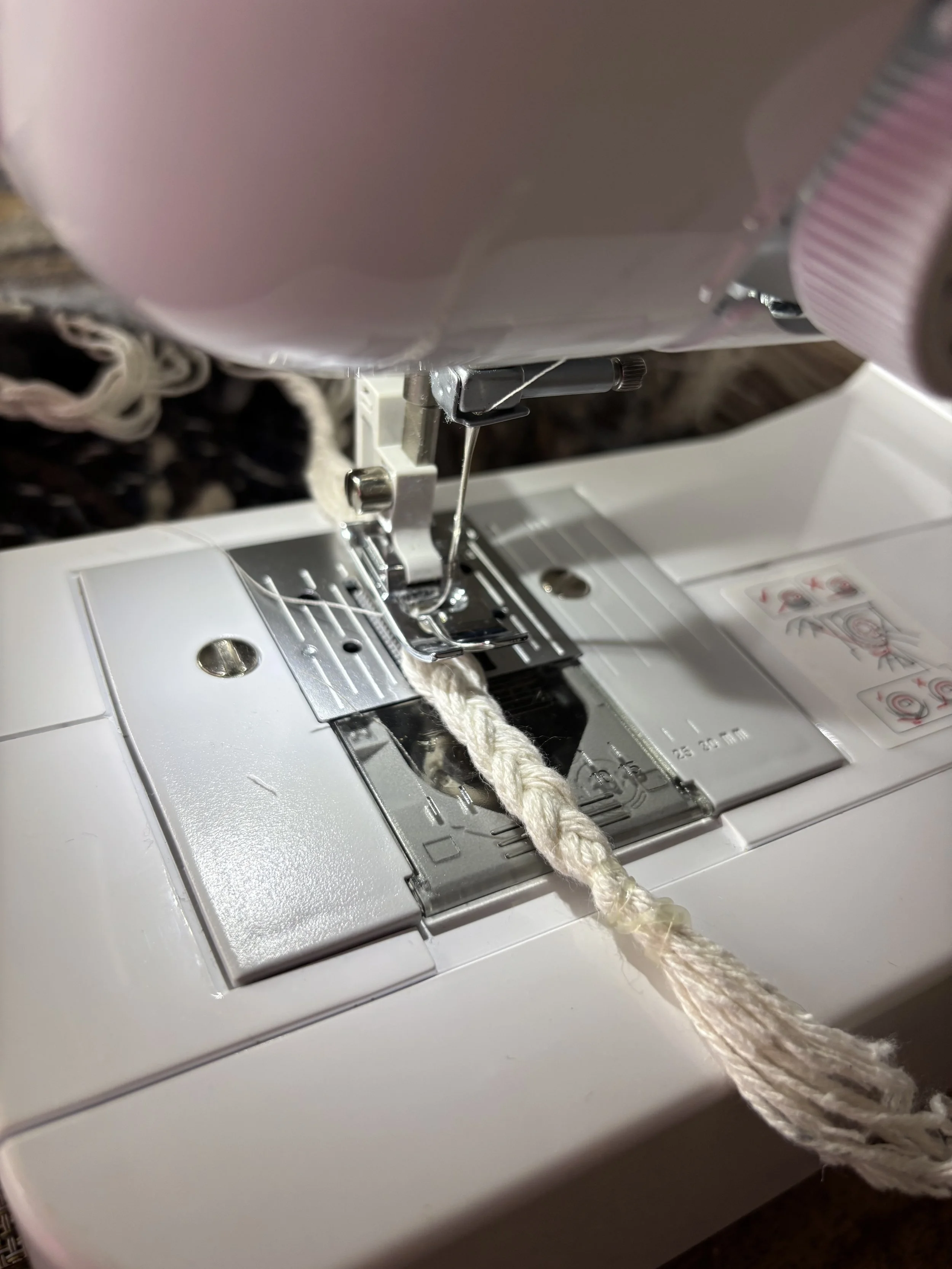
I braided the warp threads into groups and then stitched them on the sewing machine to make sure they would not come undone. I then attached them to the back of the branch using staples, trimming away the remaining ends so that nothing was left hanging down.
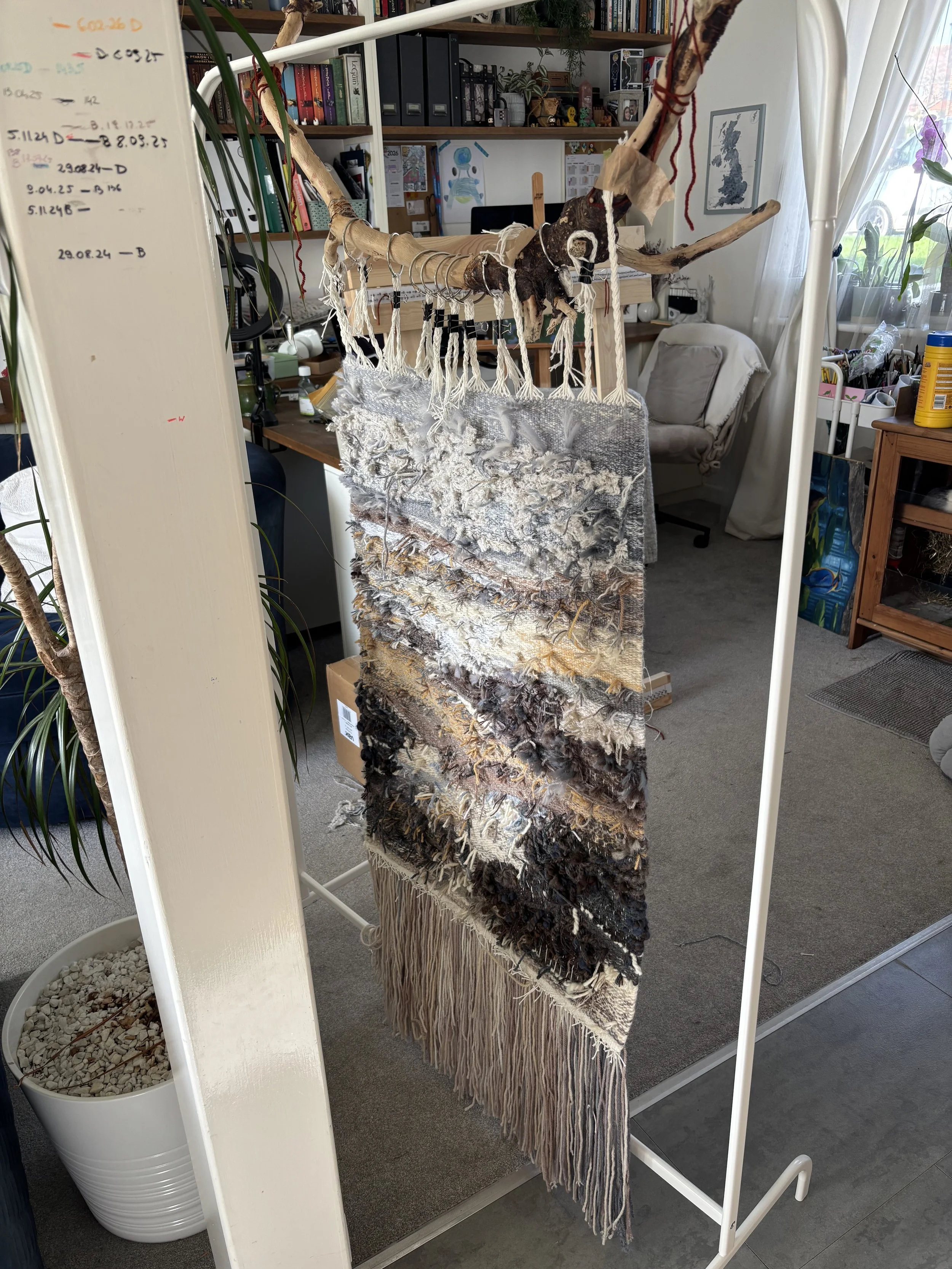
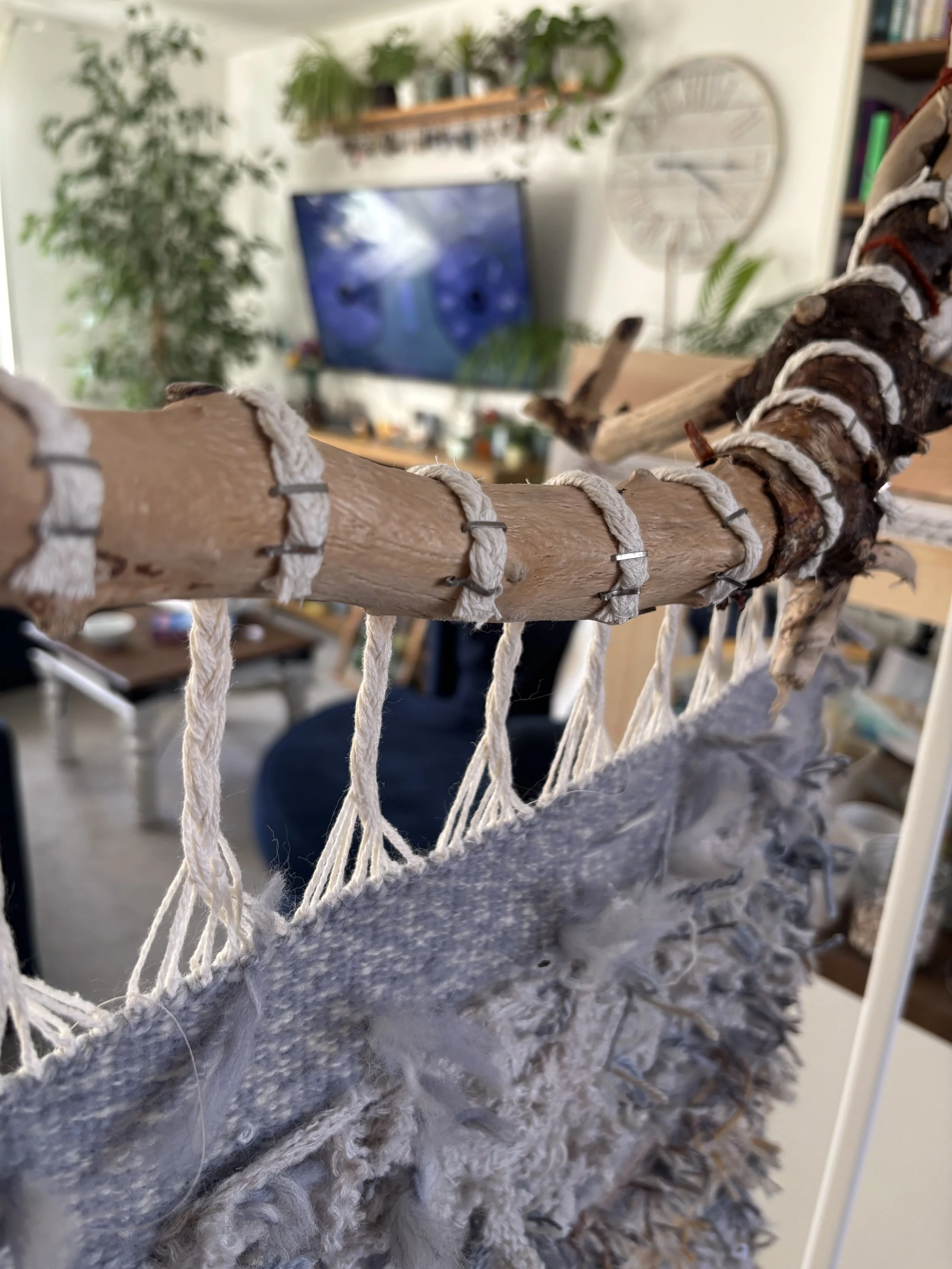
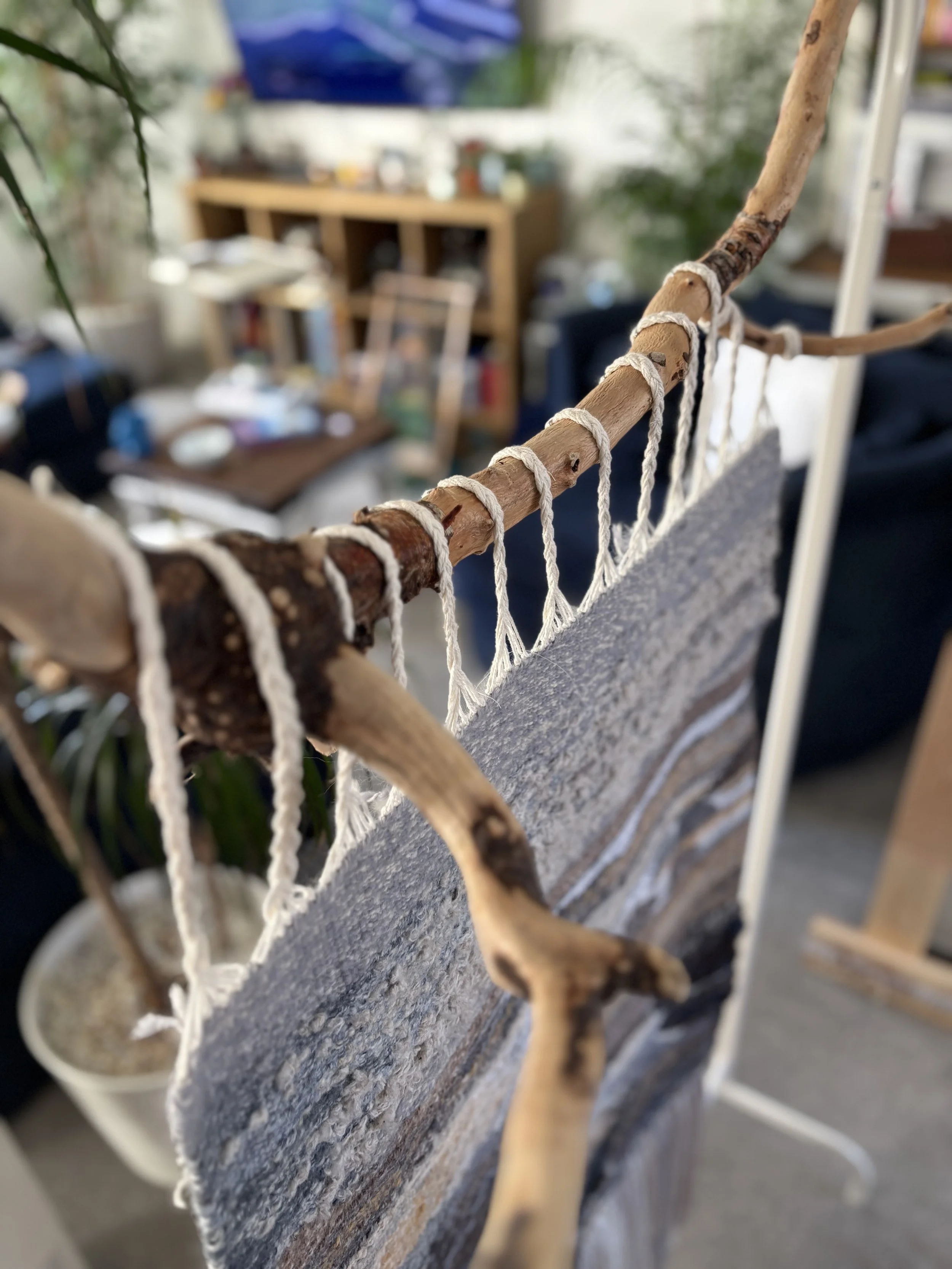
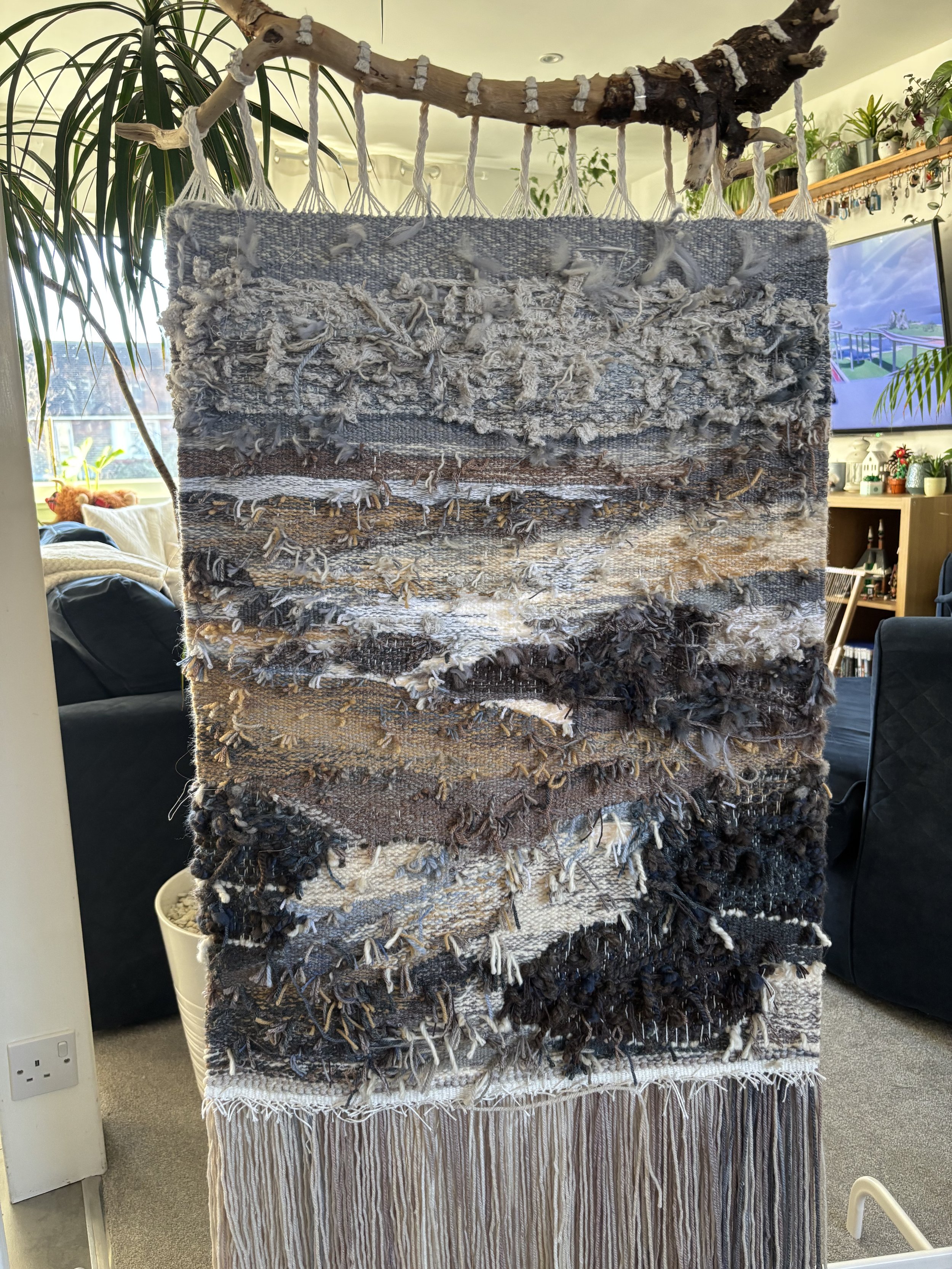
I had to be quite flexible about which side of the branch I attached each group to. Because the driftwood is irregular and naturally curved, I could not simply attach everything at equal points. I adjusted the position of each section as I went, trying to keep the textile hanging as straight as possible while still working with the shape of the branch.
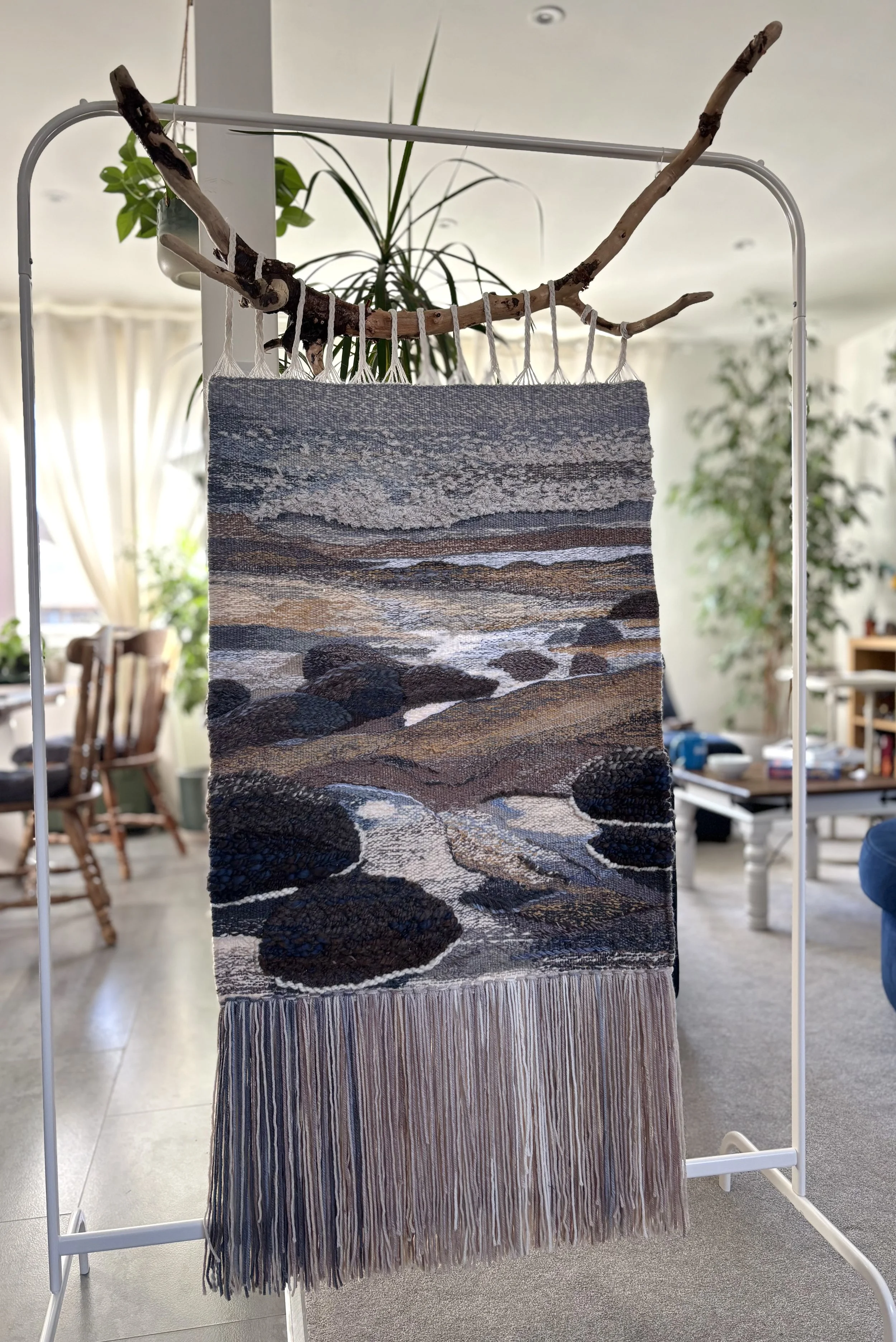
I like that the piece has changed quite a lot from the drawing I started with. The original image gave me a starting point, but the materials, the weaving process and the things I noticed while walking along the beach have all influenced the final result.
The piece has become less about reproducing a particular view and more about remembering the feeling of being there – the changing tide, wet stones, layers of sand and rock, and the muted colours of the landscape.